
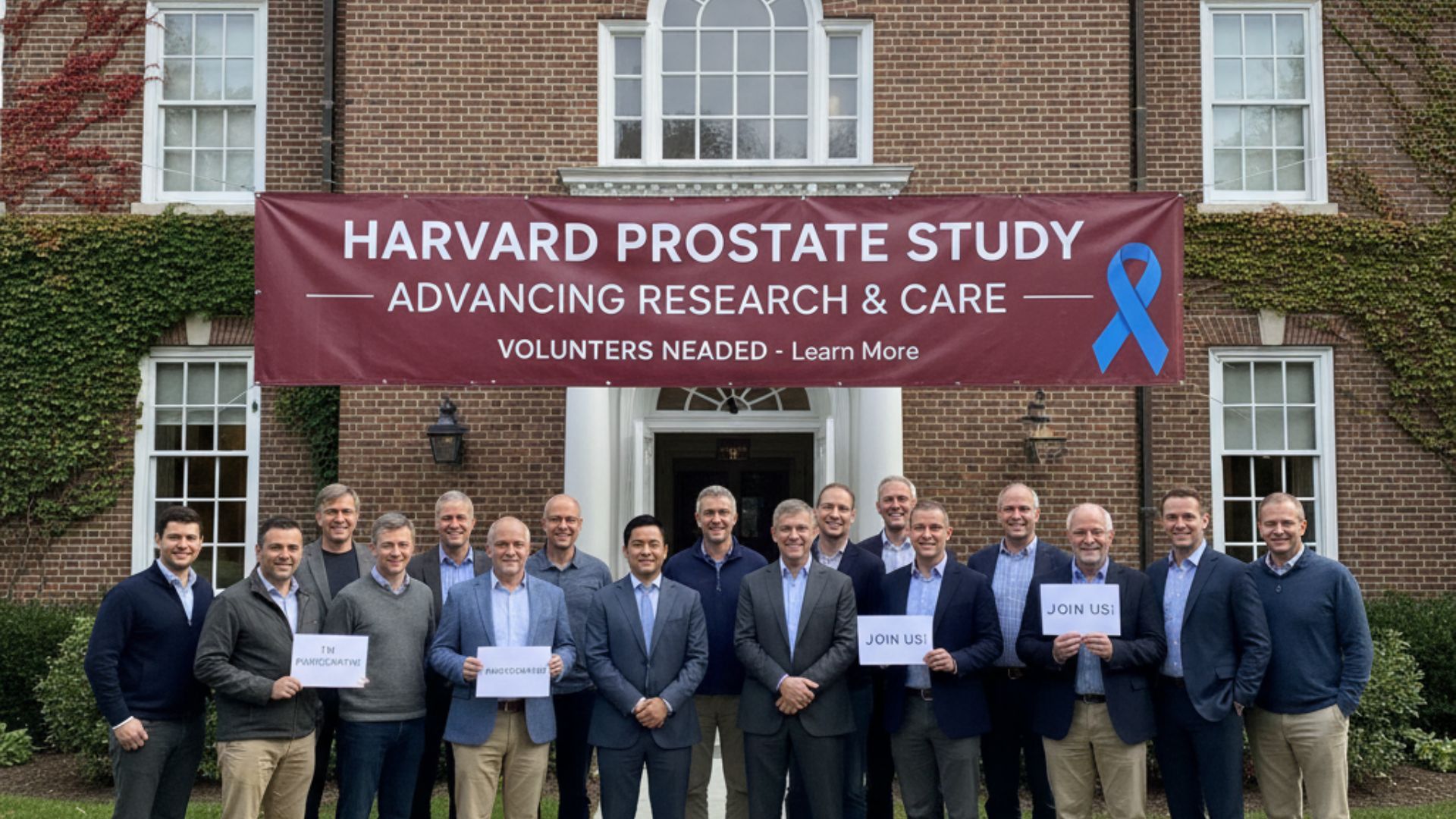
The Harvard Prostate Study stands as one of the most comprehensive research efforts aimed at understanding prostate cancer, its causes, prevention, and treatment strategies. Conducted through the collaborative efforts of Harvard Medical School, Harvard T.H. Chan School of Public Health, and affiliated hospitals such as Massachusetts General Hospital and Brigham and Women’s Hospital, the study has transformed the medical community’s understanding of how lifestyle, genetics, and medical innovation interact in prostate cancer outcomes.
Prostate cancer is one of the most common cancers affecting men worldwide, particularly in those over the age of 50. With millions of men at risk, the Harvard Prostate Study provides valuable insights into how early detection, nutrition, and modern therapies can help reduce mortality rates and improve quality of life.
This article explores the background, methodology, findings, and implications of the Harvard Prostate Study, along with its contributions to global health and prostate cancer awareness.
Background of the Harvard Prostate Study
The Harvard Prostate Study began as part of broader epidemiological projects that examined chronic diseases in men. A major component of this research is the Health Professionals Follow-Up Study (HPFS), launched in 1986, which includes more than 50,000 male health professionals in the United States. Participants were tracked over several decades to observe how diet, lifestyle, and genetic factors influence cancer development, including prostate cancer.
The goal of the study was to identify modifiable risk factors—such as diet, exercise, and supplement use—that could influence the incidence and aggressiveness of prostate cancer. The long-term data collection provided unprecedented insight into how real-life choices shape prostate health outcomes.
Key Areas of Focus in the Harvard Prostate Study
- Dietary Influence
The Harvard Prostate Study examined how certain foods impact prostate cancer risk. Researchers found that men who consumed diets high in red and processed meats had an increased risk of prostate cancer, while those who ate diets rich in fruits, vegetables, and fish had a lower risk.
Foods rich in lycopene (found in tomatoes), vitamin E, and omega-3 fatty acids were particularly associated with reduced prostate cancer risk. - Lifestyle and Physical Activity
Physical activity emerged as another critical factor in the Harvard Prostate Study. Men who engaged in regular moderate-to-vigorous exercise had lower risks of advanced or fatal prostate cancer. Exercise also contributed to better outcomes among survivors, suggesting that maintaining fitness can slow disease progression. - Genetic and Hormonal Factors
The study also examined the interplay between genetics and hormonal regulation. Family history of prostate cancer significantly increased risk, but researchers also discovered gene variants linked to higher susceptibility.
Hormonal balance, particularly testosterone levels, played a role in how quickly prostate cancer cells could develop and spread. - Screening and Early Detection
Harvard researchers contributed extensively to discussions surrounding PSA (Prostate-Specific Antigen) testing. Their findings supported the idea that while PSA tests can lead to early detection, they must be used judiciously to avoid overdiagnosis and unnecessary treatments. - Treatment Innovations
The Harvard Prostate Study also followed men through various treatment stages, comparing outcomes for surgery, radiation therapy, hormone therapy, and active surveillance.
Results indicated that personalized approaches—based on cancer aggressiveness, patient age, and health—yielded the best outcomes.
Major Findings of the Harvard Prostate Study
- Diet and Prostate Cancer
- Men who consumed processed meats, sugary drinks, and refined carbohydrates had a higher risk of aggressive prostate cancer.
- Diets rich in plant-based foods, legumes, nuts, and whole grains were linked to reduced risks.
- Moderate coffee consumption and green tea intake were associated with potential protective effects.
- Vitamin D Connection
Harvard researchers found that vitamin D deficiency may increase prostate cancer risk. Men with sufficient vitamin D levels had improved outcomes, suggesting that sunlight exposure and supplements could play preventive roles. - Obesity and Risk Factors
The study revealed that obesity and metabolic syndrome are associated with higher risks of advanced prostate cancer. Weight management through exercise and balanced diet was emphasized as an important prevention strategy. - PSA Screening Guidelines
Findings from the Harvard Prostate Study influenced national guidelines on PSA testing. Researchers highlighted that while early detection is valuable, PSA testing should be individualized to minimize unnecessary interventions. - Survival and Quality of Life
Among men diagnosed with prostate cancer, lifestyle improvements—such as healthy eating, reduced alcohol intake, quitting smoking, and consistent exercise—significantly improved long-term survival and quality of life.
Public Health Implications
The Harvard Prostate Study’s findings have reshaped both clinical practice and public health policies. By identifying actionable factors such as diet and physical activity, the research empowers men to take control of their health.
Harvard’s work emphasizes preventive healthcare, encouraging regular screenings, balanced nutrition, and early medical consultation. Its data has been used to develop risk calculators, dietary guidelines, and public awareness campaigns that help men make informed decisions.
Harvard’s Ongoing Prostate Research Initiatives
Harvard continues to expand its prostate cancer research through projects such as:
- Harvard T.H. Chan School of Public Health Cancer Epidemiology Program
- Dana-Farber/Harvard Cancer Center
- Mass General Cancer Center Prostate Program
- Brigham and Women’s Hospital Oncology Research
These institutions collaborate on clinical trials, molecular studies, and new treatment technologies aimed at advancing cancer prevention and therapy globally.
Important Links and Information
| Category | Details / Links |
|---|---|
| Institution | Harvard Medical School |
| Research Program | Health Professionals Follow-Up Study (HPFS) |
| Focus Area | Prostate Cancer Prevention and Treatment |
| Collaborating Centers | Dana-Farber Cancer Institute, Brigham and Women’s Hospital, Massachusetts General Hospital |
| Key Findings | Role of diet, physical activity, genetics, and early detection |
| Public Health Application | Improved screening guidelines, awareness campaigns |
| More Information | Harvard T.H. Chan School of Public Health – Prostate Cancer Research |
| Contact for Research Participation | Harvard Medical School Department of Epidemiology |
FAQ about Harvard Prostate Study
What is the Harvard Prostate Study?
The Harvard Prostate Study is a long-term research project examining how lifestyle, diet, genetics, and screening affect prostate cancer risk and outcomes among men.
Who leads the Harvard Prostate Study?
It is led by researchers from Harvard Medical School, Harvard T.H. Chan School of Public Health, and partner hospitals including Dana-Farber and Massachusetts General Hospital.
What are the main discoveries from the study?
The study identified that diet, physical activity, and early detection significantly influence prostate cancer risk and survival rates. It also advanced understanding of PSA testing and genetic risk factors.
Can diet prevent prostate cancer?
While no single diet guarantees prevention, consuming more fruits, vegetables, and omega-3-rich foods while limiting red meats and processed foods can help reduce risk.
What is the role of Vitamin D in prostate health?
Harvard research suggests that maintaining adequate Vitamin D levels supports prostate health and may reduce cancer progression risks.
Does the Harvard study recommend PSA testing for everyone?
The study recommends individualized PSA testing based on age, family history, and overall health rather than routine testing for all men.
Is the Harvard Prostate Study still ongoing?
Yes, the study continues through various Harvard-affiliated cancer research programs and contributes to international prostate health initiatives.
Conclusion
The Harvard Prostate Study remains one of the most influential and long-standing research efforts in men’s health. Its findings have reshaped our understanding of how lifestyle, diet, and genetics contribute to prostate cancer development and prevention.
By identifying key risk factors and advocating for balanced screening approaches, Harvard’s research has helped millions of men worldwide take proactive steps toward better prostate health.
For anyone seeking to prevent prostate cancer or manage it effectively, the lessons from the Harvard Prostate Study offer valuable, evidence-based guidance. Through ongoing research, innovation, and public education, Harvard continues to lead the global fight against prostate cancer — striving for a future where prevention and early treatment save more lives than ever before.