
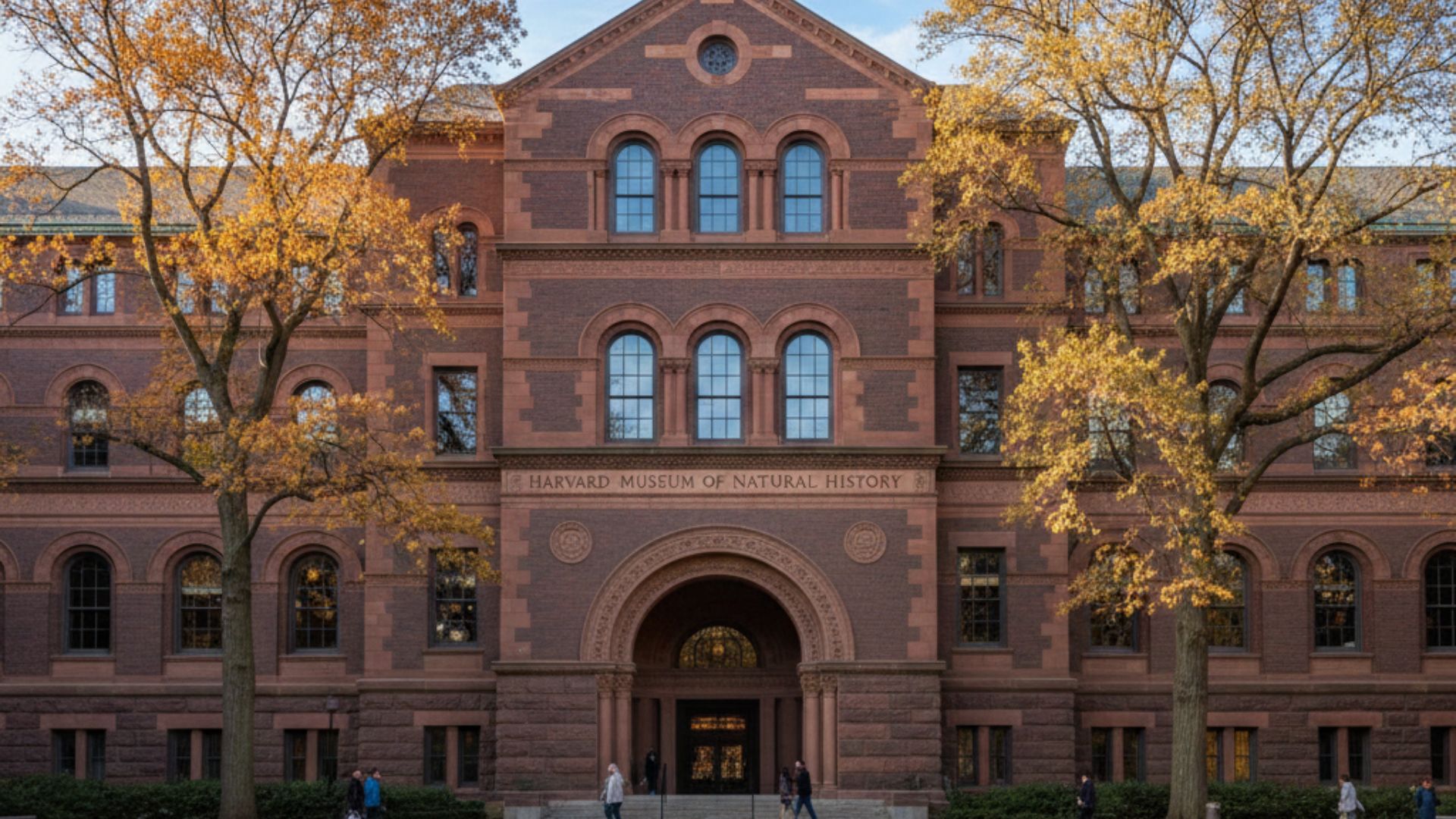
Harvard Natural History Museum: When you think of Harvard University, it is easy to imagine stately libraries, prestigious lecture halls, and world-class scholars. But tucked within its historic campus in Cambridge lies one of its most enchanting and accessible treasures: the Harvard Museum of Natural History (HMNH). This museum is an educational and scientific gem, offering visitors a chance to explore the wonders of the natural world, from insects and minerals to dinosaurs and rare botanical specimens.
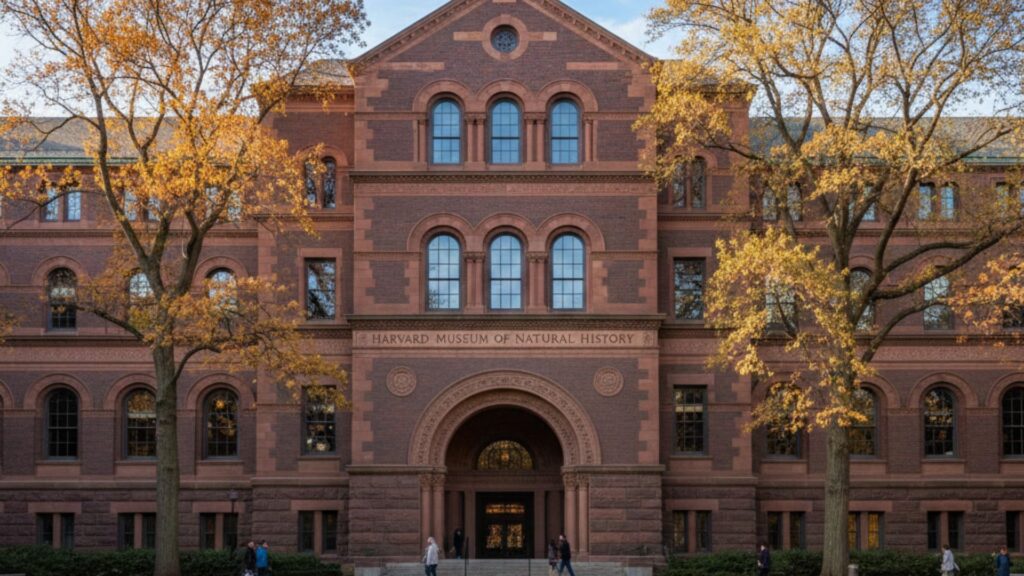
In this article, we will explore the museum’s history, its key collections, research and educational initiatives, visitor information, and why it matters—not only to Harvard, but to science, culture, and society at large.
Visit the museum’s official site here: Harvard Museum of Natural History.
History and Mission
The Harvard Museum of Natural History (HMNH) is the culmination of centuries of scientific curiosity, collection, and scholarship at Harvard University. Its roots trace back to early natural history collections held by the university’s faculty and students in the 19th century. Over time, these collections grew in size and scope, ultimately forming the basis of a formal museum.
The mission of HMNH is to:
- Preserve and care for Harvard’s vast natural history collections.
- Conduct and support research in the natural sciences.
- Provide educational experiences to students, families, and the general public.
- Promote understanding of biodiversity, ecology, evolution, and the history of life on Earth.
- Inspire curiosity about nature and science through accessible exhibits and programs.
Through its exhibitions, research, and outreach, the museum bridges academic inquiry and public engagement, making complex scientific ideas accessible to all ages.
Key Collections and Exhibits
One of the greatest strengths of the Harvard Museum of Natural History is the diversity and depth of its collections. Some of the most notable collections include:
1. Mineralogical & Geological Collection
This collection features a stunning array of minerals, crystals, rocks, and meteorites. Visitors will find specimens that illustrate geological processes, origins of the Earth, and the diversity of mineral structures. The display highlights how minerals form, their physical properties, and their uses in technology and industry.
2. Botanical Collection
Harvard’s botanical holdings include pressed plant specimens, preserved seeds, and historical botanical illustrations. These specimens document plant biodiversity across continents and centuries. Some plants in the collection have been key to research in taxonomy, ecology, and conservation.
3. Zoological Collection
Perhaps the most visually striking part of the museum, the zoological collection encompasses taxidermied animals, skeletons, mounted birds, mammals, and marine creatures. There are display cases with everything from majestic mammals to delicate insects. Evolutionary relationships and adaptations are richly illustrated through these specimens.
4. Paleontological Collection
Fossilized remains of extinct species—dinosaurs, prehistoric mammals, and marine invertebrates—are part of this collection. These fossils help tell the story of life’s evolution, mass extinctions, and how past ecosystems compare to today’s environment.
5. Invertebrate Collection
This includes insects, spiders, mollusks, and other invertebrates. Many invertebrate specimens are preserved in jars or mounted, often striking in their variety, form, and color. They help researchers understand biodiversity, ecological interactions, and evolutionary adaptations.
6. Human Remains and Anthropology
While more sensitive, some collections focus on human evolution, anthropological specimens, and skeletal remains. These are often used for academic research on human origins, morphology, and cultural practices.
7. Special Exhibits and Rotating Displays
HMNH often features temporary or rotating exhibits that highlight recent research, new discoveries, or thematic collections—such as climate change, conservation biology, and the human-nature interface.
Research and Scholarship
Beyond its role as a public museum, HMNH is deeply embedded in Harvard’s academic and scientific mission. Its collections are not mere showpieces—they serve as critical resources for cutting-edge research.
1. Specimen-Based Research
Researchers use museum specimens to study species variation, taxonomy, and evolutionary change. For example, botanical and zoological specimens allow scientists to track morphological changes over time, or compare genetic data across geographic regions. Fossils in the paleontological collection help paleobiologists reconstruct ancient ecosystems.
2. Conservation Science
The museum contributes to conservation efforts by providing baseline data on species and ecosystems. By documenting historical biodiversity, researchers can assess how populations have shifted due to climate change, habitat loss, or human activity. HMNH’s specimens provide invaluable reference points.
3. Interdisciplinary Study
Faculty and students from biology, geology, anthropology, ecology, and related fields collaborate using museum resources. Projects may range from mapping meteorite composition to studying plant-insect interactions or modeling ancient climate using fossil data.
4. Digitization and Access
To make its collections more broadly available, HMNH engages in digitization initiatives. High-resolution imaging, 3D scanning, and online databases allow remote access for students, researchers, and citizen scientists worldwide.
5. Student Involvement
Harvard students—both undergraduate and graduate—often work on museum-based research. They may curate exhibits, catalog specimens, conduct original research, or develop educational materials.
Education and Public Engagement
A major pillar of HMNH’s mission is education. The institution offers a range of programs designed to ignite curiosity in science, support learning, and cultivate a love for natural history.
1. Guided Tours and Self-Guided Visits
The museum offers guided tours for school groups, families, and adult visitors. Expert docents lead discussions around core themes, explain specimen significance, and answer questions. Self-guided visits allow guests to explore at their own pace, following themes such as evolution, biodiversity, or geology.
2. Public Programs and Lectures
Throughout the year, HMNH hosts lectures, workshops, and public events. These may feature museum scientists, visiting scholars, or external experts discussing recent discoveries, ecological issues, or historical perspectives.
3. School and Youth Outreach
Partnering with local schools, the museum provides curricular support, hands-on science activities, and field trip opportunities. These outreach programs are tailored to different age groups, from elementary students to high schoolers.
4. Citizen Science
HMNH encourages citizen science initiatives where members of the public can contribute to data collection, species identification, or monitoring ecological changes. This engagement fosters a sense of shared responsibility for biodiversity and conservation.
5. Virtual Resources
Because not everyone can visit the museum in person, HMNH offers online resources—virtual exhibits, digital collections, and educational guides. These help broaden access globally and make natural history accessible to remote learners.
Visitor Experience: What to Expect
Location and Hours
The Harvard Museum of Natural History is located in Cambridge, Massachusetts. Visitors should check the official website for the most up-to-date information on hours, ticketing, and special events. Use this link to learn more: Harvard Museum of Natural History.
Admission
Admission policies typically include:
- Paid entry for adult visitors
- Discounted tickets for students, seniors, and children
- Free or reduced admission for local school groups or special days
- Membership options for frequent visitors
Exhibit Layout
Visitors can expect well-organized and thematic exhibition halls grouped by disciplines (minerals, fossils, vertebrates, invertebrates, botany). Signage is clear, and many exhibits include interactive components to aid engagement.
Accessibility
The museum is designed with accessibility in mind. Elevator access, wheelchair-friendly routes, and accessible restrooms ensure a comfortable experience for all visitors.
Visitor Amenities
Facilities include:
- A small gift shop selling natural history-themed items (books, minerals, educational toys)
- A café or refreshment area in nearby Harvard campus locations
- Seating areas for reflection and learning
- Educational panels, hands-on displays, and large glass cases to see specimens up close
Importance and Impact
1. Scientific Value
The museum is a living archive of natural history. Its collections are critical for taxonomic research, conservation planning, and understanding long-term environmental change.
2. Educational Outreach
By exposing students and the public to real specimens, the museum enhances scientific literacy, fosters curiosity, and inspires future generations of scientists and informed citizens.
3. Cultural Heritage
Many specimens in HMNH are historical artifacts—collected by early naturalists, explorers, and Darwin-era scholars. The museum preserves this heritage and showcases the development of natural science as a discipline.
4. Conservation Awareness
Through its exhibits and programs, HMNH raises awareness about biodiversity loss, climate change, and the importance of preserving natural ecosystems. This advocacy role supports broader environmental efforts.
5. Public Engagement with Research
Unlike many academic collections that are accessible only to scholars, HMNH welcomes the public. This transparency helps demystify science and opens a window into ongoing research.
Challenges and Future Directions
Like any large museum and research institution, HMNH faces several challenges:
- Funding and Maintenance
Maintaining delicate specimens, funding conservation efforts, and supporting digitization require continuous financial investment. - Space Constraints
As collections grow, the need for more storage, exhibit space, and climate-controlled environments becomes acute. - Digitization Backlog
While digitization is on the rise, many specimens remain undigitized, limiting global access. - Climate Change Impacts
Some collections—especially biological ones—face preservation risks due to changing environmental conditions. - Public Engagement
Constantly evolving visitor expectations require the museum to innovate in interactive displays, virtual content, and program design.
Future directions may include:
- Expanding digital footprint with virtual reality exhibits
- Building partnerships for conservation-focused research
- Enhancing global collaboration via online databases
- Strengthening community outreach and citizen science programs
- Upgrading infrastructure for better preservation and display
Important Links & Information
Here is a quick-reference table of key resources and details for the Harvard Museum of Natural History:
| Category | Information |
|---|---|
| Official Website | Harvard Museum of Natural History |
| Location | Cambridge, Massachusetts, USA |
| Focus Areas | Natural history, geology, paleontology, zoology, botany, invertebrates |
| Collections | Minerals, fossils, taxidermy, botanical specimens, invertebrates |
| Research Role | Taxonomy, conservation, paleobiology, ecology |
| Educational Programs | Tours, lectures, youth outreach, citizen science |
| Public Access | Exhibits, virtual resources, guided tours |
| Accessibility | Wheelchair accessible, elevators, accessible restrooms |
| Visitor Amenities | Gift shop, seating areas, interactive displays |
| Challenges | Funding, digitization, preservation, space |
FAQ about Harvard Natural History Museum
What is the Harvard Museum of Natural History?
The Harvard Museum of Natural History (HMNH) is a division of Harvard University dedicated to preserving, studying, and displaying natural history specimens. It includes collections of minerals, fossils, animals, plants, and invertebrates.
Where is the museum located?
HMNH is located on Harvard’s campus in Cambridge, Massachusetts.
What can I see at the museum?
Visitors can explore exhibitions of minerals, geological specimens, fossils, taxidermied animals, plants, and more. There are also rotating exhibits that highlight current scientific research and themes such as climate change or biodiversity.
Is the museum open to the public?
Yes, HMNH welcomes the public. The museum offers guided tours, self-guided visits, and special programming. Check the official website for hours and ticket information.
How much does admission cost?
Admission policies may vary; typically there are ticket prices for adults, and discounts for students, seniors, and children. There may also be free or reduced admission options for school groups or special days.
Does the museum support research?
Definitely. HMNH is deeply involved in academic research: scientists use its collections for taxonomy, evolutionary biology, ecology, paleontology, and conservation science.
Can students and researchers access the collections?
Yes. Harvard students, graduate scholars, and external researchers may access specimens by appointment or through established institutional programs.
Does the museum offer educational programs?
Yes. The museum runs tours, public lectures, workshops, school outreach, and citizen science projects to engage students and the wider community.
Is there an online or virtual component?
Yes. HMNH offers digital resources, virtual exhibits, and online collections so people can explore its holdings from anywhere in the world.
How does the museum contribute to conservation?
By preserving historical specimens, documenting biodiversity, and supporting research, the museum helps scientists understand environmental change and advocate for species preservation.
Conclusion
The Harvard Museum of Natural History stands as one of Harvard University’s most engaging and scientifically vital institutions. It combines the heritage of centuries-old collections with cutting-edge research and public outreach. The diversity of its holdings—including minerals, fossils, botanical specimens, and taxidermied animals—offers a window into the origins, diversity, and coming challenges of life on Earth.
More than just a repository, HMNH plays a critical role in supporting scholarly inquiry, conservation efforts, and public education. Students, researchers, and visitors alike benefit from its remarkable collections, while the museum’s programs and exhibitions foster a deeper appreciation for the natural world.
In an era of rapid environmental change and biodiversity loss, the museum’s work is more important than ever. It not only preserves the past but also provides insight to guide future decisions. For anyone curious about nature, science, or history, a trip to the Harvard Museum of Natural History—or a visit to its digital portals—is a journey of discovery.
To explore more, plan a visit, or dive into their research, you can access the official site here: Harvard Museum of Natural History.