
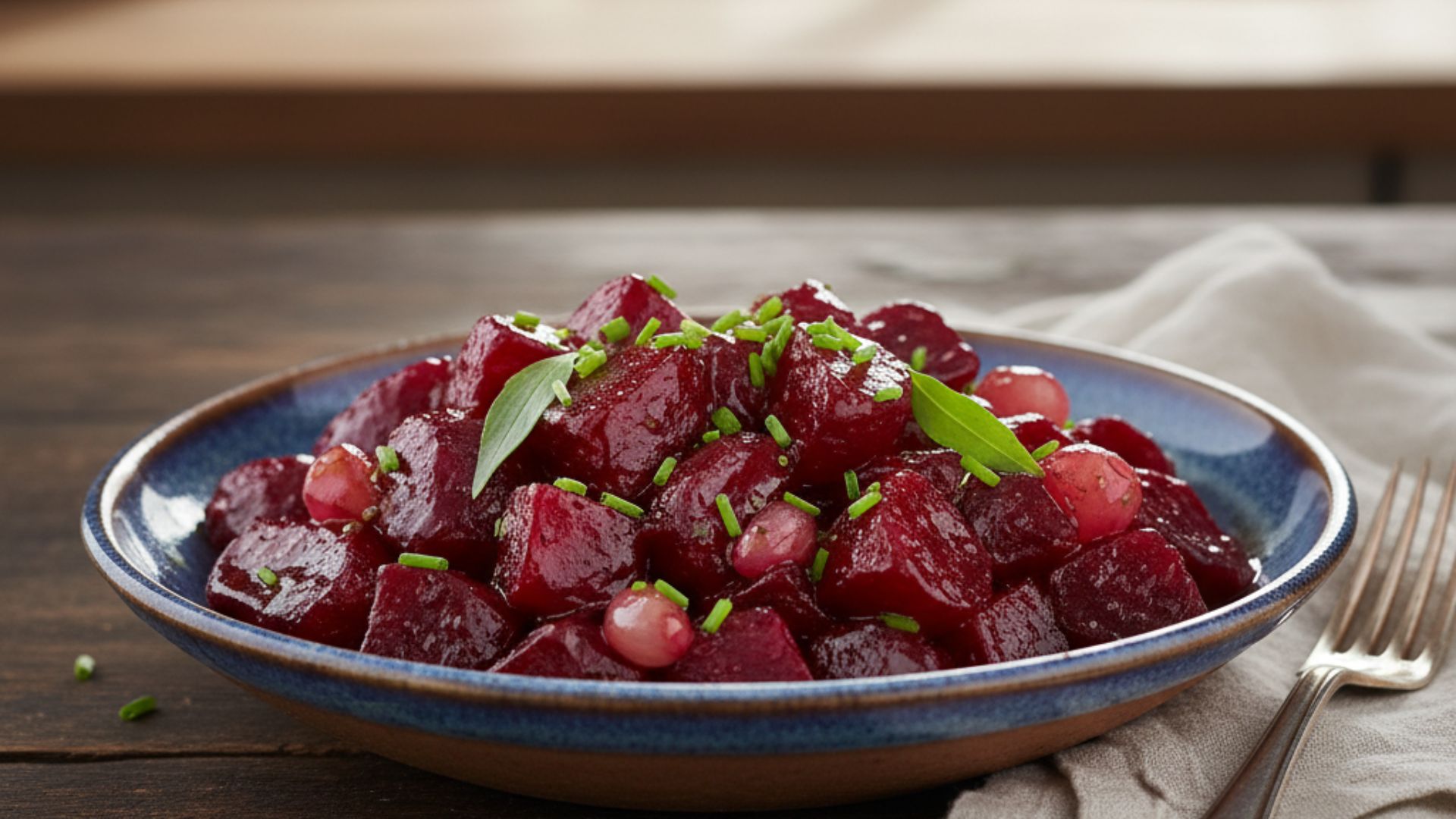
Harvard Beets Recipe: Harvard Beets are a timeless American side dish that combines the natural earthiness of beets with a sweet and tangy glaze made from vinegar, sugar, and butter. The result is a glossy, flavorful dish that pairs beautifully with roasted meats, fish, and holiday meals.
This recipe has stood the test of time and remains a staple on many dinner tables across the United States, especially in New England, where it originated. The story behind Harvard Beets is as colorful as the dish itself — a perfect blend of history, simplicity, and rich flavor.
In this detailed article, we’ll explore the history, ingredients, preparation steps, serving ideas, storage tips, and variations of Harvard Beets, along with a helpful FAQ and conclusion for complete understanding.
A Brief History of Harvard Beets
The origins of Harvard Beets trace back to the 19th century, and while the exact source is debated, it is widely believed that the dish was first created in the Harvard University area in Cambridge, Massachusetts — hence the name.
One popular story suggests that the dish was served in the university’s dining halls, where it quickly gained popularity among students and faculty. Another theory is that the name comes from the deep crimson color of the beets, reminiscent of Harvard’s school color.
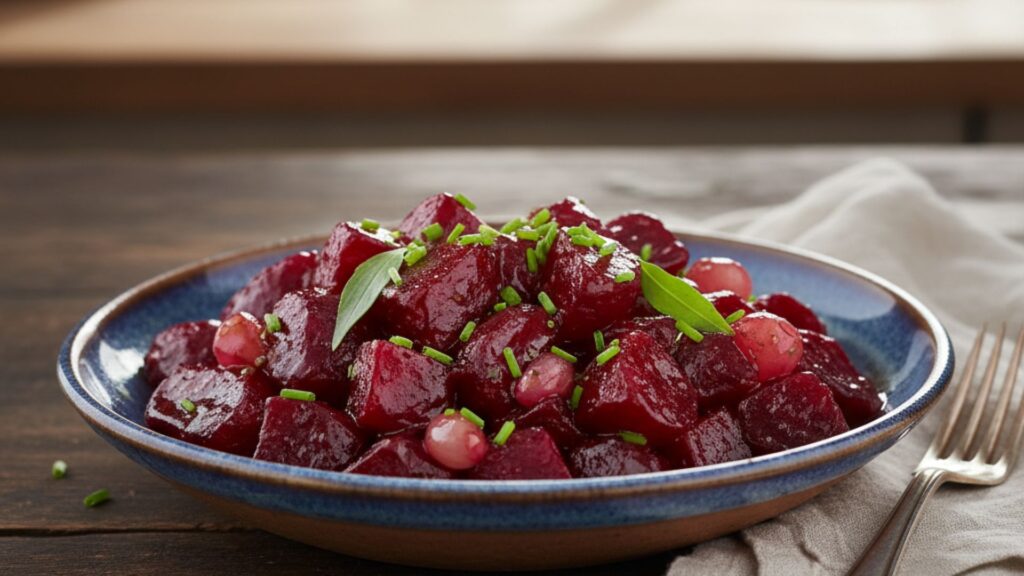
Regardless of its precise origin, Harvard Beets became a cherished recipe throughout New England and later spread across America. They are especially popular during the fall and winter months when fresh beets are in season, though canned or jarred beets make the recipe convenient year-round.
What Makes Harvard Beets Special?
Harvard Beets stand out because of their unique balance of sweet and sour flavors. The beets are simmered in a sauce made from vinegar, sugar, and butter, sometimes thickened with cornstarch or flour to create a silky glaze.
This combination creates a perfect contrast — the earthiness of the beets balances the sweetness of sugar and the tanginess of vinegar. The dish can be served warm or chilled, making it versatile enough for both family dinners and festive gatherings.
Key Features of Harvard Beets:
- Vibrant red color and glossy glaze
- Sweet, tangy, and buttery flavor
- Easy to prepare with minimal ingredients
- Perfect accompaniment to meats and poultry
Ingredients for Harvard Beets
Here’s a classic list of ingredients to make a batch that serves about 4–6 people. You can adjust the quantities based on taste or portion size.
| Ingredient | Quantity | Purpose |
|---|---|---|
| Fresh or canned beets (sliced) | 4 cups (about 5 medium beets) | Main ingredient |
| Granulated sugar | 1/3 cup | Adds sweetness |
| Apple cider vinegar (or red wine vinegar) | 1/3 cup | Provides tanginess |
| Cornstarch | 1 tablespoon | Thickens the glaze |
| Water | 1/2 cup | Used to mix cornstarch |
| Butter | 2 tablespoons | Adds richness and smooth texture |
| Salt | 1/4 teaspoon | Balances flavor |
| Ground cloves or allspice (optional) | Pinch | Adds warmth and depth |
| Orange zest or juice (optional) | 1 teaspoon | Enhances brightness |
Tip: If you’re using canned beets, drain them well and reserve a little bit of the juice to enhance flavor in the sauce.
Step-by-Step Instructions for Harvard Beets
Follow these simple steps to prepare classic Harvard Beets perfectly every time.
Step 1: Prepare the Beets
- If using fresh beets:
- Wash them thoroughly and trim the stems.
- Place them in a pot of boiling water and cook for 30–40 minutes until tender.
- Drain and let them cool slightly.
- Peel the skins off easily by rubbing with paper towels.
- Slice or cube the beets as desired.
- If using canned beets:
Simply drain them and set aside. Save about 2 tablespoons of beet juice for added flavor.
Step 2: Prepare the Sauce
- In a medium saucepan, combine sugar and vinegar.
- Bring the mixture to a gentle simmer over medium heat, stirring until the sugar dissolves completely.
- In a small bowl, mix cornstarch with water to create a smooth slurry.
- Slowly pour the slurry into the vinegar-sugar mixture while stirring constantly.
- Continue to cook until the sauce thickens into a glossy consistency.
Step 3: Add the Beets
- Add the sliced or cubed beets to the thickened sauce.
- Stir gently to coat the beets evenly with the glaze.
- Reduce heat to low and simmer for about 10–15 minutes.
- Stir occasionally until the beets are well-heated and the sauce is silky.
Step 4: Finish with Butter
Once the beets are glazed, remove the pan from heat and stir in the butter. The butter adds a rich, velvety texture to the sauce and enhances the overall flavor.
Taste the dish and adjust seasoning — add a pinch of salt, extra sugar, or more vinegar based on your preference.
Step 5: Serve
Serve the Harvard Beets warm for the most comforting experience, or chill them for a refreshing side dish.
They pair beautifully with:
- Roast beef or pork
- Baked chicken or turkey
- Grilled salmon or white fish
- Mashed potatoes and stuffing
Nutritional Information (Per Serving)
| Nutrient | Approximate Value |
|---|---|
| Calories | 130 kcal |
| Total Fat | 4 g |
| Saturated Fat | 2 g |
| Cholesterol | 10 mg |
| Sodium | 200 mg |
| Carbohydrates | 22 g |
| Sugars | 18 g |
| Fiber | 3 g |
| Protein | 2 g |
Note: These values are approximate and can vary depending on portion size and ingredient substitutions.
Tips for Perfect Harvard Beets
- Choose the right beets: Fresh, firm, and deep-colored beets provide the best flavor and texture.
- Balance the sweet and sour: Adjust the ratio of sugar and vinegar to your liking. Some prefer a tangier flavor, while others like a sweeter glaze.
- Add a hint of spice: Ground cloves, cinnamon, or allspice add warmth and depth to the sauce.
- Make it buttery: Don’t skip the butter at the end; it gives the dish its signature silky finish.
- Use beet juice: A few tablespoons of beet juice can intensify the flavor and color of the sauce.
Variations of Harvard Beets
There are several ways to modify this traditional recipe according to taste and occasion.
1. Orange-Glazed Harvard Beets
Add a teaspoon of orange zest and a tablespoon of orange juice for a citrusy twist. This version pairs wonderfully with poultry and pork.
2. Honey Harvard Beets
Substitute part of the sugar with honey for a more natural sweetness and floral note.
3. Spiced Harvard Beets
Add a pinch of cinnamon, cloves, or nutmeg to give the dish a holiday-inspired warmth.
4. Pickled Harvard Beets
Increase the vinegar slightly and let the beets cool completely before refrigerating. Serve them cold as a tangy side salad.
5. Low-Sugar Harvard Beets
Replace sugar with a natural sweetener such as stevia or monk fruit for a healthier version.
Storage and Reheating Tips
Harvard Beets store very well and can be enjoyed for several days after preparation.
Storage:
- Cool the beets completely before transferring them to an airtight container.
- Refrigerate for up to 5 days.
- The flavors deepen as the dish rests, making it even tastier the next day.
Freezing:
- You can freeze Harvard Beets for up to 2 months.
- Reheat gently on the stove, adding a splash of water to refresh the sauce.
Reheating:
- Warm on low heat in a saucepan until heated through.
- Alternatively, microwave in short bursts, stirring occasionally.
Serving Suggestions
Harvard Beets are one of the most versatile side dishes. Here’s how to serve them creatively:
| Serving Occasion | Suggested Pairing |
|---|---|
| Thanksgiving Dinner | Roast turkey, mashed potatoes, stuffing |
| Sunday Lunch | Roast beef or pork loin |
| Casual Dinner | Grilled chicken and green salad |
| Summer Meal | Cold Harvard Beets with feta cheese and arugula |
| Holiday Buffet | Served chilled with ham or smoked fish |
Important Links and Information
| Information Type | Details |
|---|---|
| Recipe Name | Harvard Beets |
| Preparation Time | 10 minutes |
| Cooking Time | 40 minutes (fresh beets) / 15 minutes (canned) |
| Total Time | 50 minutes |
| Servings | 4–6 people |
| Cuisine Type | American / New England |
| Storage Time | 5 days (refrigerated) |
| Suitable For | Vegetarian, Gluten-Free |
| Similar Recipes | Pickled Beets, Glazed Carrots, Honey-Roasted Beets |
FAQ about Harvard Beets Recipe
Why are they called Harvard Beets?
They are believed to have originated near Harvard University in Cambridge, Massachusetts. Another reason could be the dish’s deep crimson color, similar to Harvard’s official color.
Can I make Harvard Beets with canned beets?
Yes, canned beets work well and save time. Just drain them and skip the initial boiling step.
Can I prepare Harvard Beets ahead of time?
Absolutely. In fact, the flavor improves when prepared a day in advance as the sauce thickens and the beets absorb more flavor.
What type of vinegar is best for Harvard Beets?
Apple cider vinegar adds a mild sweetness, while red wine vinegar gives a sharper tang. You can also mix both for balanced flavor.
How do I make Harvard Beets less sweet?
Reduce the sugar by half or substitute part of it with honey or maple syrup for a milder sweetness.
Can I make Harvard Beets without cornstarch?
Yes, you can use all-purpose flour (1½ tablespoons) as a thickener, or simmer longer to reduce the sauce naturally.
What meats pair best with Harvard Beets?
They complement roasted or grilled meats like beef, pork, lamb, and even chicken or duck due to their sweet-sour flavor balance.
Are Harvard Beets served hot or cold?
Traditionally, they are served warm, but chilled Harvard Beets also make a refreshing side dish or salad.
Conclusion
Harvard Beets are a classic example of simple ingredients creating extraordinary results. Their balance of sweetness and tang, vibrant color, and smooth texture make them an ideal side dish for any occasion — from casual weeknight dinners to festive holiday feasts.
What makes this dish timeless is its versatility. You can enjoy it hot or cold, use fresh or canned beets, and adjust the flavor to suit your taste. Beyond their deliciousness, beets are also nutrient-rich, packed with fiber, vitamins, and antioxidants that support heart and liver health.
So, whether you’re preserving tradition or exploring new flavors, the Harvard Beets Recipe is a must-try addition to your kitchen repertoire. Once you’ve mastered this easy, elegant dish, you’ll understand why it remains a cherished favorite in American homes — and why it continues to earn a place on modern dinner tables.