
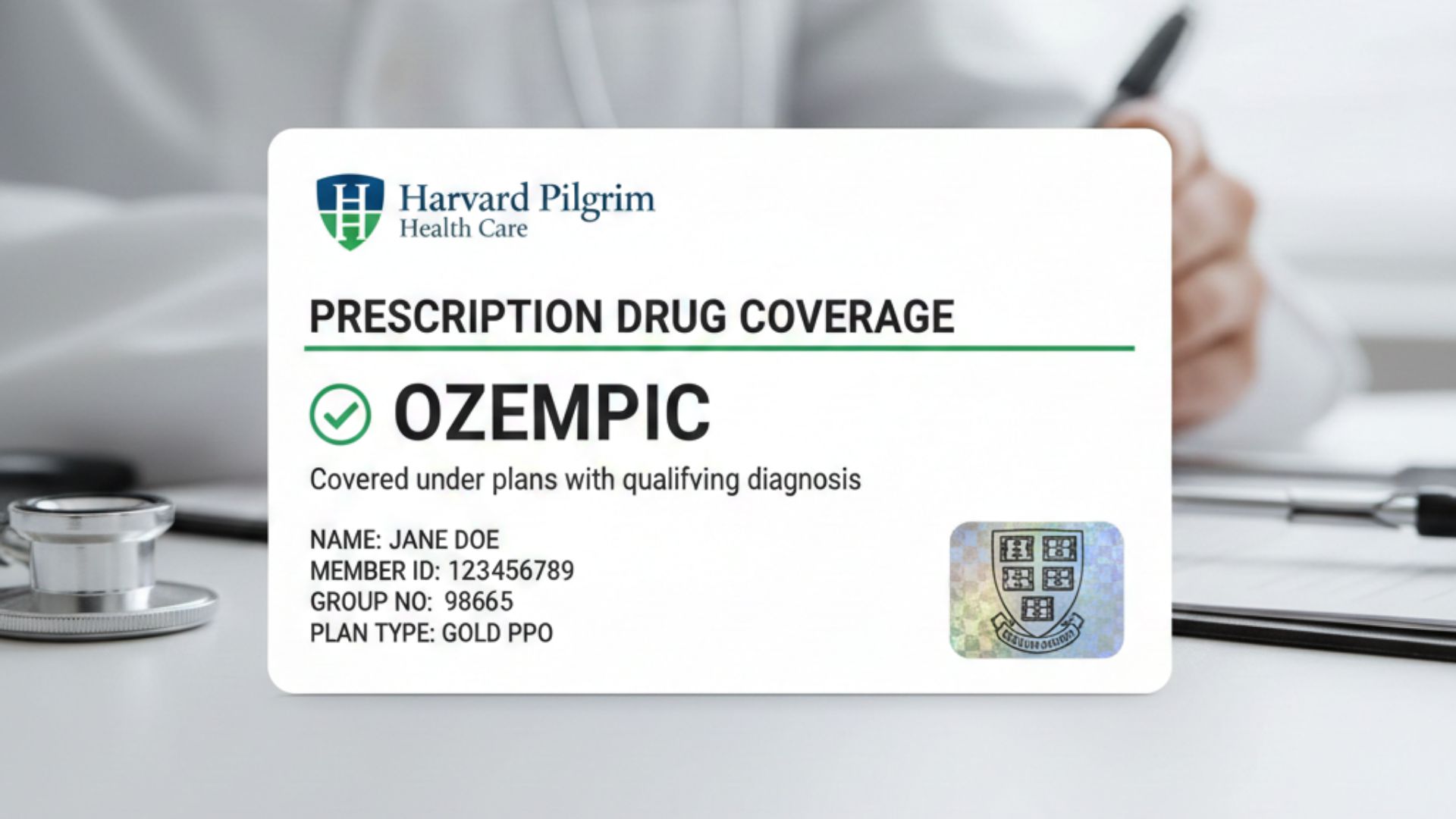
Does Harvard Pilgrim Cover Ozempic: Ozempic has become one of the most widely discussed prescription medications in recent years, especially in the fields of diabetes treatment and weight management. As awareness increases and more people inquire about coverage options for this medication, many Harvard Pilgrim Health Care members are seeking clear information about whether Ozempic is included in their benefits. Understanding insurance coverage for Ozempic involves examining formulary tiers, medical necessity criteria, prior authorization requirements, and how Harvard Pilgrim evaluates medications that serve multiple clinical purposes.
This article provides a comprehensive overview of whether Harvard Pilgrim covers Ozempic, the criteria typically used to determine coverage, what members need to know about prior authorization, and how weight-loss use differs from diabetes use in terms of benefits approval. The article is written to help members, caregivers, and providers approach the process confidently and includes a detailed table of important links and relevant information.
What Is Ozempic and Who Is It For?
Ozempic (semaglutide) is a prescription medication primarily approved for the treatment of Type 2 diabetes. It belongs to the class of drugs known as GLP-1 receptor agonists, which work by:
- Helping regulate blood sugar levels
- Improving insulin production
- Reducing appetite
- Slowing gastric emptying
Although Ozempic is approved primarily for diabetes management, it has gained widespread attention for its secondary effect of supporting weight loss. Many individuals seek Ozempic not for diabetes but for weight management or obesity treatment. This distinction is significant because insurers, including Harvard Pilgrim, assess coverage differently depending on the diagnosis and medical necessity.
Does Harvard Pilgrim Cover Ozempic for Diabetes?
Harvard Pilgrim typically evaluates coverage for Ozempic under its prescription drug benefit. Coverage for Ozempic for Type 2 diabetes is more likely than coverage for weight-loss purposes because it is FDA-approved for diabetes treatment.
When a member has a documented diagnosis of Type 2 diabetes and meets Harvard Pilgrim’s clinical criteria, Ozempic is generally more accessible. However, members must follow plan-specific protocols including:
a. Prior Authorization
Most plans require prior authorization before approving Ozempic. This means:
- A doctor must submit clinical notes
- Harvard Pilgrim reviews blood sugar control history
- The member may need to show unsuccessful trial of other diabetes medications
b. Medical Necessity Documentation
Documentation often includes:
- Lab results such as A1C levels
- History of diabetes management
- Reasons why other treatments were inadequate or not tolerated
c. Plan Type
Coverage varies depending on whether the member has:
- Commercial insurance
- Employer-sponsored health plan
- Marketplace plan
- Medicare Advantage plan
Commercial and employer-sponsored plans may have broader coverage than Medicare-based plans.
d. Formulary Tier Placement
Ozempic may appear on a tiered formulary. Its placement determines:
- Copay amount
- Prior authorization requirements
- Whether step therapy is needed
Higher tiers often involve higher costs.
Does Harvard Pilgrim Cover Ozempic for Weight Loss?
This is the most common question people ask. Ozempic is not FDA-approved solely as a weight-loss medication, even though it often results in significant weight reduction. Because of this, coverage for weight loss varies greatly.
Harvard Pilgrim may cover Ozempic for weight loss only under one or more of the following circumstances:
a. If the Member Has Type 2 Diabetes and Obesity Together
When used to treat diabetes with a coexisting condition such as obesity, Harvard Pilgrim may approve it under medical necessity guidelines.
b. If the Doctor Provides Strong Clinical Justification
The provider must demonstrate:
- Severe obesity
- Weight-related health complications
- Past unsuccessful weight-loss interventions
Still, approval is not guaranteed.
c. If the Employer Plan Includes Weight-Loss Medication Benefits
Weight-loss drug coverage is determined by specific employer group plans. Some groups exclude weight-loss medications entirely.
d. If a Similar Medication for Weight Loss Is Covered Instead
Harvard Pilgrim may suggest alternative medications such as:
- Wegovy (semaglutide for weight loss)
- Saxenda (liraglutide)
These may be covered depending on plan design even if Ozempic is not.
Most members will find that coverage for Ozempic strictly for weight loss is much harder to obtain than coverage for diabetes.
Prior Authorization Requirements for Ozempic
Prior authorization is almost always required. The process involves:
Step 1: Doctor Submits a Request
This includes:
- Diagnosis
- Relevant medical history
- Lab values
- Treatment attempts
- Dosing plans
Step 2: Review by Harvard Pilgrim
The insurer evaluates whether Ozempic meets criteria for:
- Safety
- Effectiveness
- Appropriateness for the condition
Step 3: Member Receives Approval or Denial
The notification includes:
- Authorization period
- Quantity limits
- Copay or cost-sharing details
If denied, members can file an appeal with supporting documentation.
Reasons Harvard Pilgrim May Deny Ozempic Coverage
Understanding common denial reasons helps members prepare stronger applications.
a. Lack of Medical Necessity Documentation
If the doctor does not submit enough supporting evidence, coverage may be denied.
b. Not Meeting Clinical Criteria
For example:
- No diagnosis of Type 2 diabetes
- Missing laboratory results
- Failure to try alternative medications
c. Using Ozempic for Weight Loss Only
Weight-loss-only use is often excluded.
d. No Prior Authorization
Filling Ozempic without the required authorization typically results in a claim denial.
e. Plan Exclusions
Some plans exclude certain drug classes.
How to Improve Chances of Getting Ozempic Covered?
Here are effective strategies:
a. Use Strong Medical Documentation
This includes:
- A1C history
- Symptoms of uncontrolled diabetes
- Comorbidities such as hypertension, high cholesterol, or obesity
b. Request a Doctor’s Letter
The physician should explain:
- Why Ozempic is necessary
- Why other medications failed
- How Ozempic will improve the patient’s condition
c. Provide Weight-Related Health Data
If weight loss is part of the goal, provide documented evidence of:
- BMI
- Weight-related health risks
- Past weight management attempts
d. Check the Plan’s Formulary
Formulary details indicate:
- Tier placement
- Coverage limitations
- Prior authorization criteria
- Step therapy requirements
e. File an Appeal if Denied
Appeals often result in approvals when backed by proper documentation.
Alternative Medications If Ozempic Is Not Covered
Harvard Pilgrim may suggest alternatives based on medical necessity and plan design:
For Diabetes
- Trulicity
- Bydureon
- Victoza
For Weight Loss (If Allowed by Plan)
- Wegovy
- Saxenda
- Contrave
- Qsymia
The best option depends on your clinical profile and plan benefits.
Cost of Ozempic Without Insurance
While exact pricing varies, Ozempic is known to be expensive without coverage. Members without insurance approval may face significant out-of-pocket costs.
Many patients compare:
- Cash price
- Copay savings programs
- Manufacturer discounts
- Pharmacy discount cards
However, discount programs cannot be combined with some insurance plans, especially Medicare.
Important Links and Information
| Category | Details |
|---|---|
| Ozempic Medication Information | Overview of medication purpose and dosing |
| Harvard Pilgrim Formulary | Drug tier placement and coverage restrictions |
| Prior Authorization Requirements | Criteria for Ozempic approval |
| Member Services Contact | Phone and support channels |
| Provider Portal Information | Resources for doctors submitting authorization |
| Appeal Instructions | Steps to appeal a denial |
| Alternative Medications | Weight-loss and diabetes alternatives |
| Coverage Policies | Plan-specific drug coverage guidelines |
| Clinical Criteria | Requirements such as diagnosis, A1C, BMI, and comorbidity documentation |
FAQ about Does Harvard Pilgrim Cover Ozempic
Does Harvard Pilgrim cover Ozempic?
Coverage is possible, especially for Type 2 diabetes, but prior authorization is usually required. Coverage for weight loss alone is less likely.
Is Ozempic covered for weight loss?
Typically no, unless specific plan types include weight-loss medications or the member has coexisting conditions.
What documents do I need for prior authorization?
Medical history, diagnosis, A1C levels, previous medications used, and a treatment plan.
What if my Ozempic request is denied?
You can appeal the denial. Strong documentation from your provider significantly improves approval chances.
Does Harvard Pilgrim cover Ozempic under Medicare Advantage plans?
Coverage may differ; refer to your plan documents for exact details.
What is required for medical necessity approval?
A doctor must demonstrate why Ozempic is clinically needed and why alternatives are not effective.
Are there alternatives if Ozempic is not covered?
Yes, alternatives exist for both diabetes and weight management.
Does Harvard Pilgrim require step therapy?
Some plans require attempting other medications before Ozempic is approved.
How long does prior authorization take?
It depends on the plan, but responses usually arrive within standard review timelines.
Can I use pharmacy discount cards if coverage is denied?
You may be able to use discount programs, depending on your insurance type.
Conclusion
Understanding whether Harvard Pilgrim covers Ozempic requires careful review of plan benefits, medical necessity criteria, and prior authorization requirements. While coverage is typically more accessible for Type 2 diabetes treatment, weight-loss-only use is much harder to approve because of plan restrictions and FDA labeling differences.
Members can significantly improve their chances of approval by presenting strong medical documentation, following prior authorization guidelines, communicating with their healthcare provider, and exploring alternative medications if necessary. Appeals remain an essential tool for members who believe their case warrants reconsideration.
Knowing your options and preparing your documentation thoroughly can make a major difference in securing coverage. Whether you are managing diabetes, addressing obesity-related health concerns, or evaluating your medication options, understanding Harvard Pilgrim’s approach to Ozempic coverage is essential for making informed healthcare decisions.