
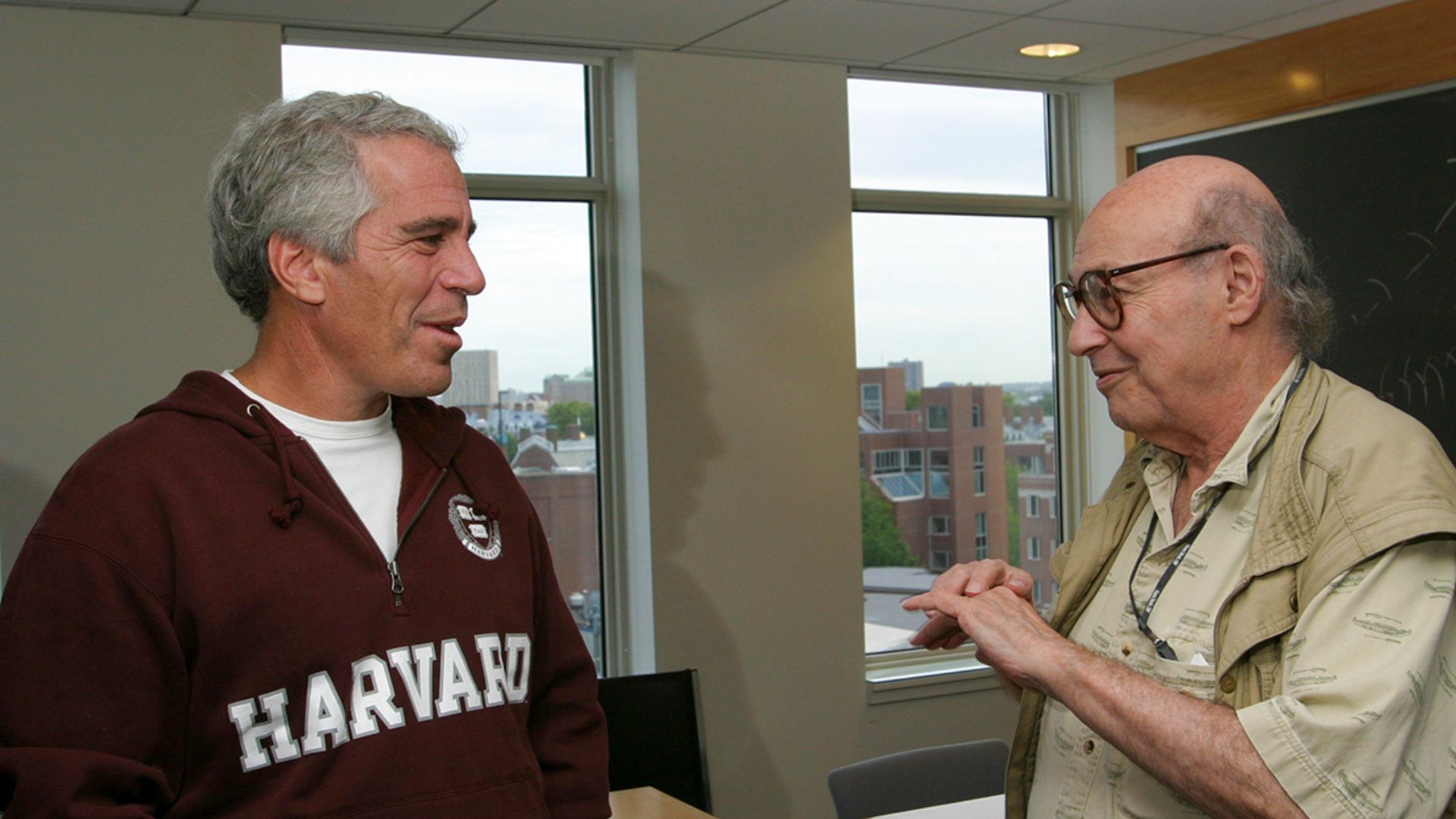
Did Jeffrey Epstein Go to Harvard? When people hear the name Jeffrey Epstein, they often associate it with one of the most controversial criminal cases of the 21st century. Epstein was a financier, convicted sex offender, and socialite who maintained close ties with some of the most powerful figures in politics, academia, and business. Among the many rumors that surrounded his life, one persistent question often arises: Did Jeffrey Epstein go to Harvard?
The short answer is no, Jeffrey Epstein never attended Harvard University as a student. However, his relationship with the institution was far deeper and more complex than mere enrollment. Through substantial donations, personal connections, and involvement in research programs, Epstein built a strong — though highly controversial — association with Harvard that lasted for years.
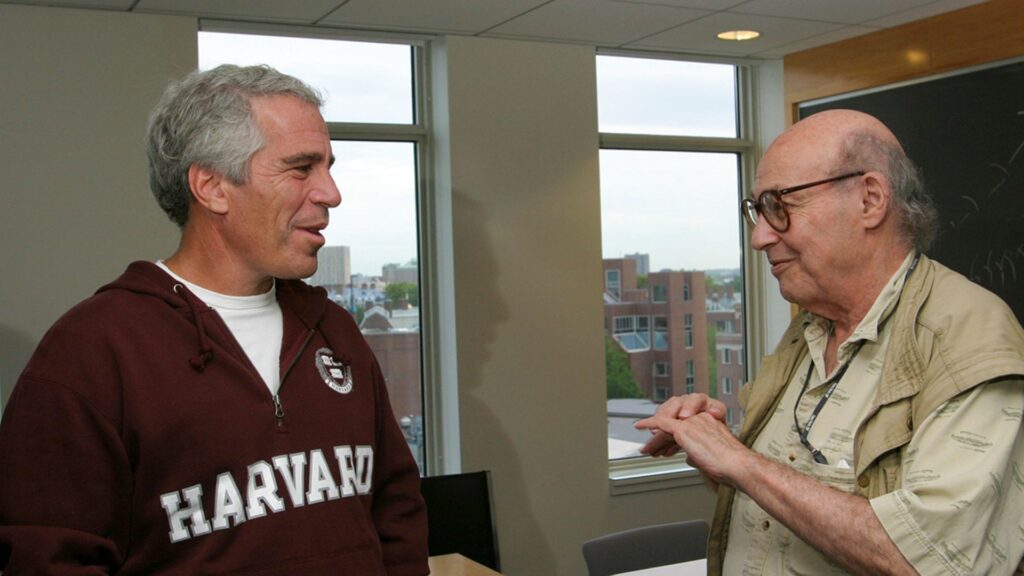
This article explores Epstein’s connection with Harvard, the university’s acknowledgment of his contributions, the aftermath of his arrest, and how the scandal reshaped ethical fundraising in academia.
Who Was Jeffrey Epstein?
Jeffrey Edward Epstein was born on January 20, 1953, in Brooklyn, New York. He grew up in the Coney Island neighborhood and attended Lafayette High School. Although highly intelligent, Epstein’s formal education was unconventional. He enrolled at Cooper Union and later at New York University’s Courant Institute of Mathematical Sciences, but he never completed a degree.
Despite not having a college diploma, Epstein became a mathematics teacher at the Dalton School in Manhattan in the 1970s — a prestigious institution that catered to elite families. There, he made connections with influential individuals, including Alan “Ace” Greenberg, the chairman of Bear Stearns, who later hired him as an options trader.
This early network of connections marked the beginning of Epstein’s ascent into the upper echelons of finance, wealth, and social power — ultimately leading him into the circles of academia and institutions like Harvard University.
Epstein’s Relationship with Harvard: An Overview
Although Jeffrey Epstein did not study or teach at Harvard, he managed to establish a powerful presence on campus. He used his immense wealth and social influence to contribute to several academic and research programs, particularly in the sciences.
Epstein’s relationship with Harvard can be divided into three key phases:
- Initial Donations and Influence (1990s)
Epstein began donating to Harvard University during the 1990s. His early contributions focused on scientific research and the study of evolutionary dynamics — fields he personally found fascinating. - The Creation of the Program for Evolutionary Dynamics (2003)
In 2003, Epstein made a $6.5 million donation to Harvard, leading to the establishment of the Program for Evolutionary Dynamics (PED). The program, directed by Professor Martin Nowak, explored topics in mathematical biology, including the evolution of cooperation and population genetics. - Ongoing Access and Privileges (2000s–2010s)
Even after his criminal charges in 2008 for soliciting prostitution from a minor, Epstein retained access to the Harvard campus for years. Reports revealed that he continued to visit Harvard offices, labs, and social events until at least 2018, raising serious ethical and administrative questions.
Did Jeffrey Epstein Ever Attend or Graduate from Harvard?
To clarify once and for all:
Jeffrey Epstein did not attend Harvard University.
He was not enrolled in any undergraduate, graduate, or professional program at the university. He did not earn any degree or diploma from Harvard. His connection was purely financial and social — that of a donor, networker, and influencer, not a student or faculty member.
Epstein’s intellectual curiosity, however, was genuine. He surrounded himself with prominent scientists, mathematicians, and professors — many of whom were affiliated with Ivy League institutions, including Harvard, Princeton, and MIT. He often funded or hosted research discussions and seminars on cutting-edge scientific topics such as genetics, artificial intelligence, and theoretical physics.
The Harvard Program for Evolutionary Dynamics (PED)
The Program for Evolutionary Dynamics, founded in 2003, became the centerpiece of Epstein’s involvement with Harvard. Established with his $6.5 million gift, the program was part of the Faculty of Arts and Sciences (FAS) and sought to merge mathematics and biology to understand complex evolutionary systems.
Led by Professor Martin Nowak, the PED produced numerous influential academic papers and drew international attention. However, Epstein’s connection to the program would later become a source of controversy.
After Epstein’s 2019 arrest and subsequent death, Harvard conducted an internal review to assess his influence on the university. The investigation found that Epstein had visited the PED offices over 40 times after his conviction, between 2010 and 2018.
This revelation caused immense backlash, prompting Harvard to reevaluate its relationship with wealthy donors and to strengthen oversight on access privileges.
Epstein’s Donations to Harvard: A Breakdown
Although Epstein claimed to have donated tens of millions of dollars to various institutions, Harvard officially acknowledged receiving $9.1 million from him between 1998 and 2008.
Here’s a breakdown of the key financial details:
| Year | Donation Amount | Purpose/Use | Program or Beneficiary |
|---|---|---|---|
| 1998–2002 | Approx. $2.6 million | Early research support | Science and mathematics initiatives |
| 2003 | $6.5 million | Establishment of PED | Program for Evolutionary Dynamics |
| 2008 | Unknown small donations | Miscellaneous research funds | Various academic projects |
After 2008, following his conviction, Harvard stopped accepting donations from Epstein. However, as internal reviews revealed, he maintained some non-financial connections for years afterward.
In 2020, Harvard announced that $200,937 of unspent Epstein funds would be donated to organizations supporting victims of sexual abuse and trafficking.
Why Harvard Accepted Epstein’s Money?
The decision to accept Epstein’s donations has been widely criticized, but it reflects a broader issue within elite academia — the dependence on large private donations for research funding.
At the time, Harvard officials stated that the donations were made before Epstein’s criminal conviction and that his support was aimed at scientific advancement. However, critics argue that Harvard continued to tolerate Epstein’s association even after his reputation was publicly tarnished, prioritizing financial gain over moral responsibility.
This case exposed how prestigious universities sometimes fail to conduct adequate ethical reviews of donors, allowing wealthy individuals to use philanthropy as a means to gain social credibility and influence.
Harvard’s Internal Investigation and Aftermath
In 2020, Harvard University released the results of a two-year internal investigation led by former federal judge Barbara Jones. The report concluded that:
- Epstein had no formal Harvard affiliation (student, faculty, or staff).
- He had visited Harvard’s campus more than 40 times between 2010 and 2018.
- He retained a visiting keycard and office space at the Program for Evolutionary Dynamics, even after his 2008 conviction.
- His donations totaled $9.1 million, with no new funds received after 2008.
Following the report, Harvard apologized publicly for its association with Epstein and committed to implementing stricter policies on donor vetting and campus access.
The university also announced measures to ensure greater transparency in donor relations, including the publication of funding sources and ethical compliance reviews for major gifts.
Epstein’s Wider Academic Network
Epstein’s influence extended far beyond Harvard. He supported or attempted to associate himself with researchers at MIT, Princeton, and other top universities. He funded scientific conferences, dinners, and think-tank gatherings, often inviting Nobel laureates and intellectuals to his private residences.
Notably, Epstein maintained relationships with figures such as Lawrence Summers (former Harvard president and U.S. Treasury Secretary) and Stephen Hawking, both of whom appeared at his events. However, many of these associations were later downplayed or denied following the public exposure of Epstein’s crimes.
Why Did Epstein Target Elite Universities?
Epstein’s obsession with elite academia stemmed from multiple motivations:
- Intellectual Validation – Without a degree, Epstein sought legitimacy by associating with prestigious scholars and institutions.
- Social Access – Elite universities provided him access to influential scientists, politicians, and donors.
- Image Rehabilitation – Funding academic research allowed him to appear as a patron of science rather than a convicted felon.
- Personal Curiosity – Epstein was genuinely interested in science, particularly genetics, artificial intelligence, and human longevity.
This combination of motives made universities — including Harvard — ideal partners for Epstein’s self-image campaign.
Public and Academic Reaction
The revelation of Epstein’s deep ties to Harvard provoked outrage both within and outside the academic community. Critics accused the university of ignoring moral and ethical red flags in exchange for financial gain.
Faculty members called for a review of donor policies, students demanded accountability, and media outlets exposed how Epstein’s wealth bought him prestige.
For Harvard, the incident was a wake-up call. It exposed a systemic vulnerability in how universities manage relationships with high-profile benefactors and raised broader questions about ethics in academic fundraising.
Important Links and Information
| Topic | Details | Type |
|---|---|---|
| Harvard Program for Evolutionary Dynamics | Established in 2003 with Epstein’s $6.5M donation | Academic Program |
| Harvard’s Official Statement (2020) | Public apology and donor policy reforms | Administrative Action |
| Total Donations | $9.1 million (1998–2008) | Financial Data |
| Remaining Funds Redirected | $200,937 donated to victim support groups | Post-Scandal Action |
| Investigation Lead | Judge Barbara Jones | Internal Review |
| Key Harvard Figure Associated | Prof. Martin Nowak (Program Director) | Academic Personnel |
The Legacy of Epstein’s Harvard Connection
The Epstein–Harvard connection remains one of the most troubling episodes in the university’s modern history. It not only revealed the ease with which money could buy influence but also highlighted the dangers of overlooking ethical concerns in pursuit of academic funding.
For Harvard, this controversy serves as a case study in institutional responsibility. It forced the administration to reexamine its moral compass, strengthen transparency, and rebuild public trust.
FAQ about Did Jeffrey Epstein Go to Harvard?
Did Jeffrey Epstein attend Harvard University?
No, Jeffrey Epstein never attended Harvard as a student or faculty member. His connection with Harvard was purely through financial donations and social ties.
What was the Harvard Program for Evolutionary Dynamics?
It was a research program founded in 2003 with a $6.5 million donation from Epstein, focusing on mathematical models of biological evolution. It was led by Professor Martin Nowak.
How much money did Epstein donate to Harvard?
Harvard acknowledged receiving $9.1 million from Epstein between 1998 and 2008.
Did Harvard keep Epstein’s donations after his conviction?
Most of the funds were already used, but in 2020 Harvard redirected the remaining $200,937 to organizations helping victims of sexual abuse.
Did Epstein have an office at Harvard?
Yes, Epstein had office space and keycard access at the Program for Evolutionary Dynamics for several years after his 2008 conviction.
Was Harvard aware of Epstein’s criminal history?
Yes, by 2008 Harvard was aware of Epstein’s conviction. However, the university failed to restrict his access immediately, a decision that later drew criticism.
What did Harvard do after the Epstein scandal resurfaced?
Harvard conducted an internal investigation, publicly apologized, tightened donor policies, and made changes to prevent similar ethical breaches in the future.
Conclusion
So, did Jeffrey Epstein go to Harvard?
No — but he didn’t need to.
Through his wealth, charisma, and connections, Epstein infiltrated the intellectual world of Harvard without ever earning a degree. His financial contributions bought him proximity to the academic elite, while his scandals later exposed the ethical fragility of even the most respected institutions.
Harvard’s reckoning with its Epstein ties serves as a powerful reminder: intellectual prestige should never come at the cost of moral integrity. Universities, while dependent on philanthropy, must prioritize ethics and accountability above all else.
The Epstein case ultimately left Harvard — and the academic world at large — with a lasting lesson: the pursuit of knowledge is meaningless if it compromises humanity’s most fundamental values.