
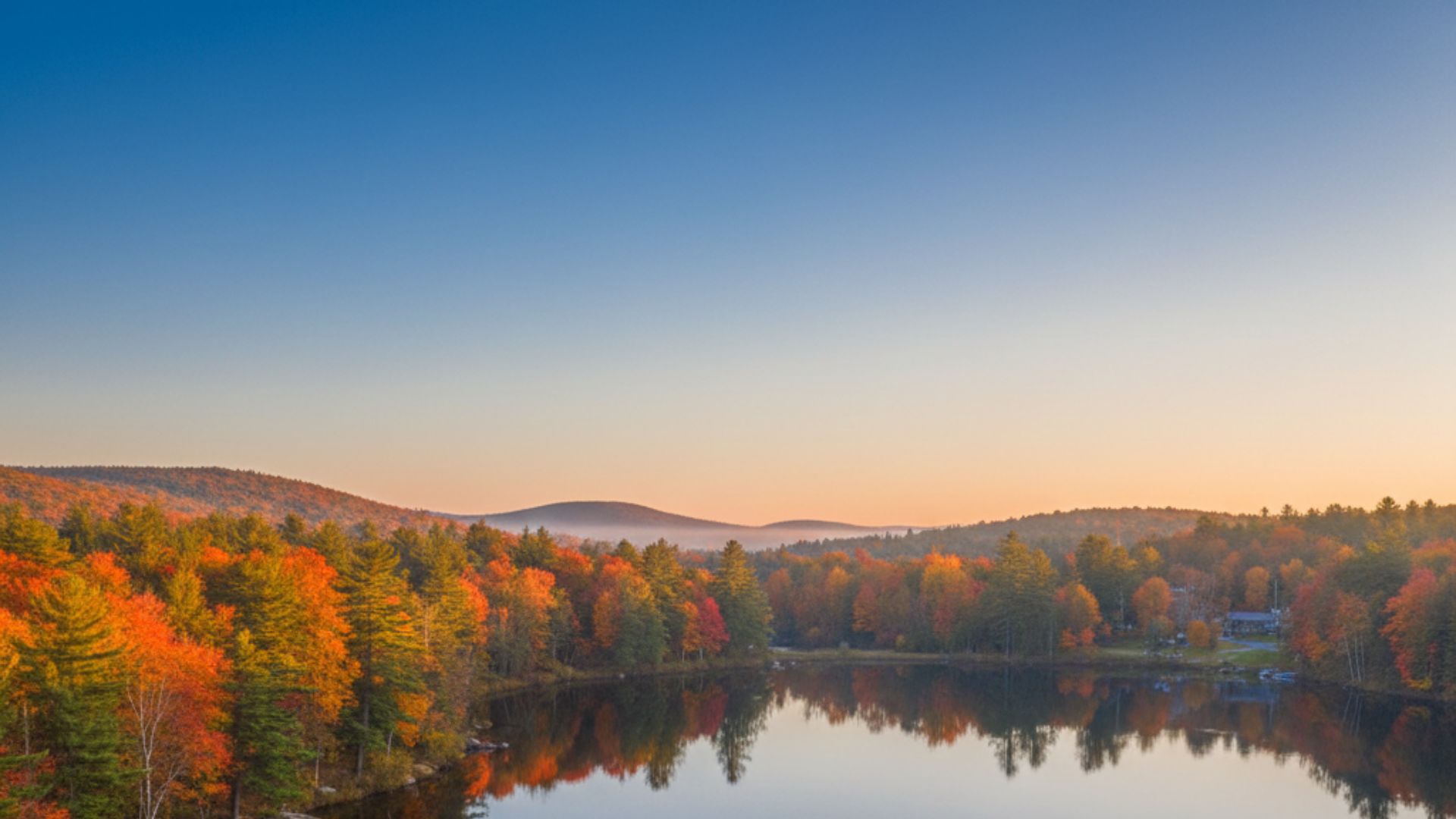
Bare Hill Pond Harvard MA: Bare Hill Pond, located in the charming town of Harvard, Massachusetts, is a serene and picturesque freshwater pond known for its natural beauty, recreational activities, and vital ecological role. Surrounded by forested hills, protected conservation land, and a strong sense of community stewardship, Bare Hill Pond offers residents and visitors a peaceful escape into nature. Whether someone is exploring its calm waters by kayak, enjoying a summer swim, observing wildlife, or attending community gatherings at the town beach, the pond stands at the heart of Harvard’s outdoor lifestyle.
This detailed guide explores the history, ecology, activities, seasonal highlights, conservation efforts, and visitor information for Bare Hill Pond. Whether you are planning your first visit or looking to deepen your understanding of the area, this comprehensive article covers everything you need to know.
Introduction to Bare Hill Pond
Bare Hill Pond is a natural kettle pond formed thousands of years ago during the retreat of the last glaciers. Spanning roughly 330 acres, it is the largest body of water in Harvard, MA. Its relatively shallow waters, tranquil coves, and surrounding wetlands create a biodiverse ecosystem that supports fish, birds, amphibians, and plant life.
The pond is more than a geographic feature; it is a centerpiece of the community. Local families gather at the Bare Hill Pond Beach during summers, rowers and paddlers glide across the water at sunrise, and conservation groups work tirelessly to maintain the pond’s water quality and preserve its ecological integrity.
The balance between recreation and preservation defines Bare Hill Pond. Visitors appreciate its clean waters, quiet environment, and opportunities for exploration, all made possible by community involvement and conscious environmental management.
Historical Background
Bare Hill Pond has been an important landmark in the region for centuries. Early Indigenous communities likely used the pond area for fishing, hunting, and seasonal settlement. Over time, as European settlers arrived in the early 17th century, the pond became a resource for farming families, providing water, fish, and marshland materials.
The town of Harvard, founded in 1732, eventually recognized the pond’s importance for community recreation and ecological preservation. Throughout the 20th century, Harvard residents advocated for the protection of the pond and surrounding lands. These efforts ensured that development remained limited and that conservation became a priority.
The establishment of organizations such as the Bare Hill Pond Watershed Management Committee strengthened the community’s ability to protect water quality, manage invasive species, and maintain the pond for future generations.
Today, Bare Hill Pond represents not only natural beauty but also decades of collective stewardship.
Geographic and Ecological Features
1. Natural Setting
The pond is surrounded by rolling hills, hardwood forests, wetlands, and conservation lands. It provides a habitat for a variety of species, including:
- Largemouth bass
- Sunfish
- Painted and snapping turtles
- Great blue herons
- Ducks and geese
- Frogs and salamanders
- Beavers and muskrats
The combination of open water and marshland creates a vibrant ecosystem that supports both aquatic and terrestrial life.
2. Water Clarity and Quality
Due to community conservation efforts, Bare Hill Pond maintains relatively high water quality. Regular monitoring ensures that nutrient levels remain balanced and that algae growth is controlled. Invasive plants such as water chestnut are periodically removed through cleanup initiatives.
3. Wetlands and Vegetation
Marsh grasses, lily pads, reeds, and native shoreline plants play crucial roles in filtering water and supporting wildlife. Wetlands help absorb stormwater, reduce erosion, and maintain ecological balance.
Recreational Activities at Bare Hill Pond
Bare Hill Pond offers a wide variety of outdoor activities throughout the year. Its protected environment, scenic beauty, and well-maintained public access areas make it a popular destination for locals and visitors alike.
1. Swimming
The Bare Hill Pond Town Beach is a beloved summer destination. The designated swimming area features:
- A sandy shoreline
- Lifeguards during peak season
- Picnic space
- Restrooms
- Shallow areas for children
- A floating dock
- Clear, calm water ideal for safe swimming
2. Kayaking and Canoeing
The calm waters make it perfect for:
- Kayaking
- Canoeing
- Stand-up paddleboarding
Paddlers enjoy exploring the pond’s coves, observing wildlife, and relaxing on the water.
3. Rowing
Bare Hill Pond is home to rowing clubs and school teams that practice regularly. Early mornings often bring the sight of shells gliding across the mirror-like surface.
4. Fishing
Anglers appreciate the pond’s variety of fish, particularly bass. Fishing is allowed with appropriate licensing, and the pond offers both shore and boat access points.
5. Ice Skating and Winter Activities
During winter months, when the pond freezes solid, residents enjoy:
- Ice skating
- Ice fishing
- Snowshoeing along the shoreline
Safety precautions are essential, and ice thickness should always be checked before venturing out.
6. Hiking and Nature Walks
Trails around the pond offer peaceful walks with scenic views. These paths provide opportunities to observe birds, plants, and wildlife.
Seasonal Highlights
Spring
Spring brings blossoms, returning migratory birds, and renewed shoreline greenery. Kayakers and hikers enjoy mild temperatures and increased wildlife activity.
Summer
Summer is the busiest season, with swimming, paddling, fishing, and community events at the town beach.
Autumn
Fall foliage transforms the surrounding hills into a vibrant mix of red, orange, and gold. It is an excellent season for photography and quiet paddling.
Winter
Winter brings a hushed stillness to the pond. Ice-based activities become possible when conditions allow.
Conservation and Environmental Stewardship
The health of Bare Hill Pond is maintained by ongoing conservation work. Key efforts include:
1. Water Quality Monitoring
Volunteers and environmental specialists test for:
- Nutrient levels
- Dissolved oxygen
- Water clarity
- pH balance
These metrics help identify issues before they escalate.
2. Invasive Species Control
Non-native plants can threaten the pond’s ecosystem. Community-led removal efforts target invasive species, preserving biodiversity.
3. Stormwater Management
Conservation groups work with the town to reduce pollutants entering the pond from runoff.
4. Education and Awareness
Workshops, newsletters, and community events encourage responsible recreational use and environmental respect.
5. Wildlife Protection
Strategies are in place to protect fish spawning areas, bird habitats, and wetland vegetation.
Visitor Information
Visitors can enjoy Bare Hill Pond year-round, although certain facilities operate seasonally. Below are details that help plan a visit.
1. Access Points
Public access is available at:
- Bare Hill Pond Town Beach
- Launch areas for boats and kayaks
- Nearby trails and conservation land
2. Parking
Parking is limited and may require beach stickers or permits during summer. Visitors should check local guidelines before arriving.
3. Fees
During the summer season, non-residents may be required to pay a fee to access the town beach.
4. Safety Guidelines
Visitors should follow:
- Posted swimming rules
- Boating regulations
- Ice safety precautions
- Wildlife protection guidelines
5. Community Events
Events held at the pond may include:
- Summer festivals
- Regattas
- Cleanup days
- Educational programs
These activities bring residents together and promote environmental stewardship.
Important Links and Information
| Category | Description | Link |
|---|---|---|
| Town of Harvard Information | Local government updates and resources | https://www.harvard.ma.us/ |
| Bare Hill Pond Watershed Committee | Conservation efforts and water quality reports | https://www.harvard.ma.us/bare-hill-pond-watershed-management-committee |
| Recreation Department | Beach access, fees, and seasonal details | https://www.harvard.ma.us/parks-recreation |
| Conservation Commission | Trails, land protection, and environmental resources | https://www.harvard.ma.us/conservation |
| Harvard Public Events | Community programs and activities | https://www.harvard.ma.us/calendar |
FAQ about Bare Hill Pond Harvard MA
Is Bare Hill Pond open to the public?
Yes, Bare Hill Pond is open to the public. The town beach requires seasonal passes or fees during summer, but boating and hiking access points are available year-round.
Can visitors bring boats or kayaks?
Yes, kayaks, canoes, and small boats are allowed on the pond. Launch areas are available for public use.
Is fishing allowed at Bare Hill Pond?
Fishing is permitted with appropriate Massachusetts fishing licenses. The pond is home to several freshwater species.
Are there lifeguards at the town beach?
During the summer season, lifeguards are typically stationed at the designated swimming area.
Can I visit the pond in winter?
Yes. Winter visitors often enjoy ice skating or ice fishing, though safety precautions regarding ice thickness are essential.
Are there hiking trails near the pond?
Several trails around the pond and through conservation land allow for walking, hiking, and nature observation.
Are pets allowed?
Pets may be allowed in certain areas but are typically restricted from the swimming beach during summer. Visitors should follow local regulations.
Conclusion
Bare Hill Pond in Harvard, MA, is a cherished natural sanctuary that blends scenic beauty, recreation, and ecological importance. With its peaceful waters, vibrant wildlife, and thoughtfully maintained public spaces, the pond reflects the values of conservation, community, and outdoor enjoyment. Whether someone is swimming at the town beach, paddling through quiet coves, hiking wooded trails, or simply enjoying the serenity of nature, Bare Hill Pond offers something meaningful for everyone.
The pond’s continued health is due to the dedication of community members, environmental experts, and local organizations. Their ongoing stewardship ensures that this treasured resource will remain a vital part of Harvard’s identity for generations to come.