
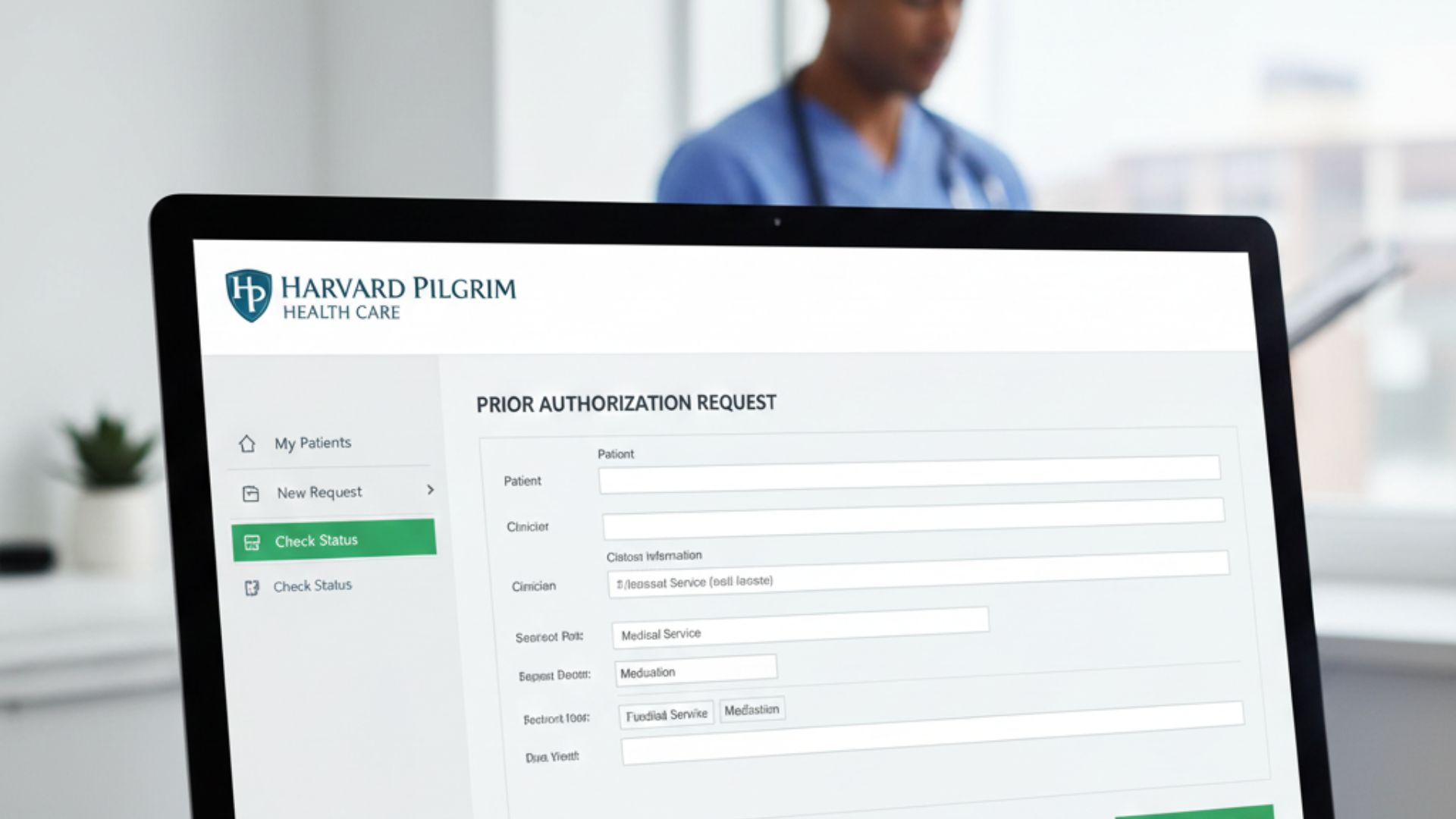
Harvard Pilgrim Prior Authorization: Navigating health insurance can sometimes feel overwhelming, especially when it comes to understanding what requires approval and what does not. One of the most significant processes in managed health care is prior authorization, often referred to as preauthorization or pre-approval. For individuals, businesses, and providers covered under Harvard Pilgrim Health Care, knowing how prior authorization works is essential for avoiding unexpected claim denials, delays in care, or financial burdens.

This comprehensive guide explores Harvard Pilgrim prior authorization in depth, including its purpose, how it works, what services typically require approval, how to submit requests, potential challenges members may face, and tips for ensuring a smooth process. The article also concludes with FAQs and a detailed table of important Harvard Pilgrim links and resources.
Understanding Prior Authorization in Health Insurance
Prior authorization is a prospective review process used by health insurers to determine whether a proposed medical service, medication, procedure, or equipment meets the plan’s criteria for coverage. The objective is to verify that the treatment is medically necessary, cost-effective, and safe for the patient.
Although some people see prior authorization as a barrier to care, insurers generally use the system to control costs, reduce unnecessary treatment, and ensure evidence-based medical practice.
In the case of Harvard Pilgrim, prior authorization is required for several services, depending on the member’s plan, provider, and the nature of the treatment being requested.
Why Harvard Pilgrim Uses Prior Authorization?
Health insurance companies, including Harvard Pilgrim, use prior authorization for several purposes:
1. Ensuring Medical Necessity
Prior authorization ensures that the treatment, imaging, or medication ordered is appropriate for the patient’s condition. Medical directors and clinical reviewers use established guidelines to approve or deny a request.
2. Managing Health Care Costs
Prior authorization helps prevent unnecessary or excessively expensive treatments when lower-cost alternatives might be appropriate and equally effective.
3. Preventing Overuse of Services
Some services, such as imaging tests, specialty medications, and inpatient hospital stays, are often requested more than medically necessary. Authorization ensures that only the most suitable services are provided.
4. Coordinating Care
It allows Harvard Pilgrim to monitor patient care patterns and ensure that treatments align with broader care goals or chronic disease management strategies.
Common Services That Require Prior Authorization Under Harvard Pilgrim
While the specific services requiring authorization vary by plan type, provider network, and member benefits, there are categories of care that frequently require approval.
1. Advanced Imaging Services
This includes CT scans, MRIs, PET scans, nuclear imaging, and other radiological diagnostic tests. These are often high-cost services that require medical review.
2. Specialty Medications
Injectable drugs, biologics, and medications administered in a clinical setting typically require pre-approval, especially when alternatives exist.
3. Behavioral Health and Substance Use Services
Inpatient behavioral health treatment, residential programs, partial hospitalization, and certain therapies may require prior authorization.
4. Durable Medical Equipment (DME)
High-cost or long-term medical equipment, such as CPAP machines, wheelchairs, or hospital beds, often needs approval before being dispensed.
5. Surgical Procedures
Non-emergency surgeries, including some orthopedic, bariatric, and cosmetic-related procedures, may require prior approval.
6. Inpatient Hospital Admissions
Acute admissions, rehabilitation stays, and skilled nursing facility placements typically require authorization.
7. Physical, Occupational, and Speech Therapies
Some plans require authorization based on visit limits or medical necessity criteria.
8. Home Health Services
Nursing care, physical therapy, wound care, and other home support services sometimes require pre-authorization.
9. Genetic and Lab Testing
Tests such as prenatal genetic screenings, molecular pathology, and other specialized lab procedures may need approval.
10. Specialty Consultations
Visiting certain specialists may require referrals or prior authorization, depending on the plan.
How the Harvard Pilgrim Prior Authorization Process Works?
The process follows several structured steps involving the patient, provider, and the insurance company.
Step 1: Determination of Need
The health care provider determines that a service requiring prior authorization is necessary.
Step 2: Request Submission
The provider submits a prior authorization request through:
- Online portals
- Fax forms
- Telephone submission
- Integrated provider systems
The submission includes medical documentation that supports the need for the treatment.
Step 3: Medical Review
Medical directors or clinical specialists at Harvard Pilgrim evaluate the request. They use:
- Medical necessity criteria
- Clinical best practices
- Plan-specific benefits
- National guidelines
Step 4: Decision
Harvard Pilgrim provides a decision:
Approval: The service is authorized and covered
Denial: The request is not approved, and reasons are provided
Pend: Additional information is requested before deciding
Step 5: Notification
Both the provider and the member receive a written notification. This helps ensure that the patient is aware of the decision before obtaining the service.
Step 6: Appeals Process
If denied, members and providers can appeal. The appeal process must follow plan guidelines and is usually available in multiple stages, such as internal review and external review.
What Happens If You Do Not Obtain Prior Authorization?
Failure to obtain prior authorization can result in significant financial consequences:
1. Denied Claims
If approval was required but not obtained, Harvard Pilgrim may deny coverage for the service entirely.
2. Out-of-Pocket Responsibility
Without authorization, the member may be responsible for the full cost of the treatment, which can be extremely expensive for surgeries, imaging, or inpatient stays.
3. Delays in Care
Treatment may be delayed while authorization is obtained retroactively, which is not always accepted.
4. Provider Penalties
Providers may face reduced reimbursement if approval is not secured in advance.
Tips to Avoid Prior Authorization Problems
1. Understand Your Plan Benefits
Members should review their plan documents to understand which services require authorization.
2. Choose In-Network Providers
In-network providers are more familiar with Harvard Pilgrim’s prior authorization guidelines.
3. Confirm Before Treatment
Always check whether the service you are receiving requires authorization.
4. Track Authorization Status
Members and providers can check the status online.
5. Provide Complete Documentation
Incomplete information is a major reason for delays or denials.
Important Harvard Pilgrim Prior Authorization Information
| Category | Details |
|---|---|
| What It Is | A process requiring approval before receiving specific services or medications |
| Common Services Requiring Authorization | Imaging, specialty drugs, surgeries, DME, behavioral health, home health |
| Who Submits the Request | Usually the provider, but patients should confirm |
| Decision Time | Varies by urgency and plan type |
| Cost Impact | Lack of authorization can lead to full member responsibility |
| Appeal Options | Internal review, external review, member and provider appeals |
| Role of Provider | Gather documentation, submit request, notify patient |
| Member Responsibility | Confirm requirements, understand coverage, follow up on decisions |
| Financial Risks | Claim denials, delays, billing disputes |
| Typical Submission Methods | Online portal, fax forms, phone lines |
FAQ about Harvard Pilgrim Prior Authorization
What is Harvard Pilgrim prior authorization?
It is a requirement to obtain approval from Harvard Pilgrim before receiving certain medical services, medications, or equipment. The goal is to ensure the treatment is medically necessary and covered under the plan.
Who is responsible for obtaining prior authorization?
In most cases, the provider submits the request. However, it is ultimately the member’s responsibility to ensure approval is received before care.
How long does the prior authorization process take?
Timeframes vary depending on the situation. Urgent requests are often reviewed more quickly, while standard requests may take several business days.
What types of services commonly require prior authorization?
Typically, advanced imaging, surgeries, specialty medications, inpatient stays, durable equipment, lab tests, and behavioral health services need authorization.
What happens if a service is denied?
Harvard Pilgrim provides a written explanation for the denial. Members and providers can appeal the decision following specific steps outlined in plan documents.
Can prior authorization be done retroactively?
In most cases, retroactive authorization is not permitted unless it was a medical emergency.
Does Harvard Pilgrim require referrals as well?
This depends on the member’s plan type. Some plans require referrals for specialists; others do not.
How will I know if my authorization is approved?
You will receive a written notice from Harvard Pilgrim or your provider, detailing the decision and any conditions.
Conclusion
Understanding Harvard Pilgrim prior authorization is crucial for members, providers, and employers seeking to navigate the health care system efficiently. While the process can feel complex, its underlying purpose is to ensure that care is medically necessary, cost-effective, and aligned with proven medical standards. By familiarizing yourself with the types of services requiring approval, how the process works, and what steps to take if a denial occurs, you can avoid costly mistakes and streamline access to needed care.
Ultimately, prior authorization plays an important role in managing health care resources. Members who take the time to review plan documents, communicate with providers, and proactively verify authorization requirements can significantly reduce the risk of delays or unexpected costs.