
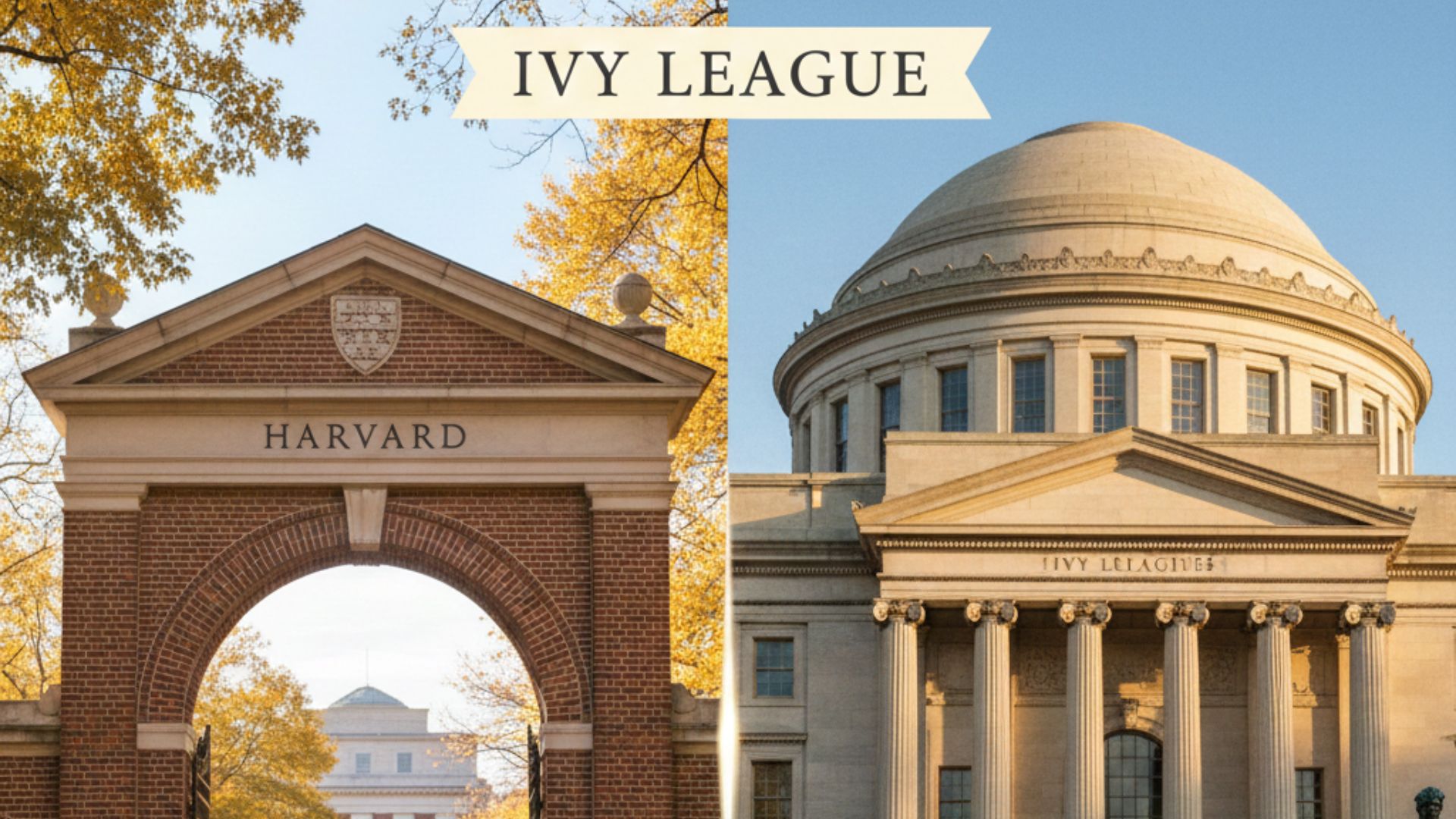
Harvard and Columbia: Harvard University and Columbia University stand among the most prestigious academic institutions in the world. Both are members of the elite Ivy League, both hold centuries of intellectual tradition, and both attract the brightest minds from across the globe. Students applying to highly competitive universities often include Harvard and Columbia at the top of their list. Yet despite belonging to the same league and sharing a commitment to academic excellence, these institutions differ significantly in campus culture, academic structure, program strengths, and overall student experience.
Choosing between Harvard and Columbia is not simply a matter of prestige. Rather, it involves an understanding of the learning environment, location, opportunities, expectations, and unique strengths of each university. This article provides an in-depth comparison of Harvard and Columbia across various dimensions, including academics, campus life, research opportunities, financial aid, extracurricular offerings, and long-term career prospects. Whether you are a prospective undergraduate student, a graduate applicant, or simply curious about how these institutions compare, this comprehensive guide will offer clarity and insight.
Historical Background
Harvard University
Harvard, founded in 1636, is the oldest institution of higher education in the United States. Established initially to educate clergy, it gradually evolved into a world-leading university known for its academic rigor, intellectual diversity, and influential alumni. Located in Cambridge, Massachusetts, Harvard is internationally recognized for its research contributions, professional schools, and reputation for shaping leaders across industries.
Columbia University
Columbia, founded in 1754 as King’s College, is one of the oldest colleges in the country and an essential part of the historical development of American academia. Situated in New York City, Columbia is deeply intertwined with the cultural, financial, and intellectual life of the city. It is renowned for its Core Curriculum, groundbreaking research initiatives, distinguished faculty, and strong emphasis on global engagement.
Location and Campus Environment
Harvard: Cambridge’s Collegiate Environment
Harvard’s campus is situated in Cambridge, a city known for its academic atmosphere, diverse student population, and historical charm. Cambridge offers:
- A traditional campus layout with quads, libraries, and historic buildings
- A blend of quiet residential neighborhoods and lively student areas
- Easy access to Boston, a major intellectual and cultural hub
Harvard provides an environment that feels distinctly collegiate, with separation from the busy city life while still offering proximity to urban resources.
Columbia: The Heart of New York City
Columbia’s main campus is located in Morningside Heights in Manhattan. Students at Columbia experience:
- A more urban and fast-paced lifestyle
- Architecture that blends university buildings with the surrounding city
- Immediate access to opportunities in finance, media, arts, technology, and activism
Students who thrive in energy, diversity, and metropolitan movement often find Columbia’s environment deeply inspiring.
Academic Programs and Curriculum
Harvard’s Academic Flexibility
Harvard College offers a flexible curriculum designed to let students explore multiple disciplines before declaring a concentration. Features include:
- Wide-ranging course offerings
- The opportunity to pursue joint concentrations
- Access to graduate school courses
- Freedom to design interdisciplinary studies
Harvard emphasizes intellectual freedom, encouraging students to build their academic paths while engaging with distinguished professors and world-class research facilities.
Columbia’s Core Curriculum
One of Columbia’s defining features is the Core Curriculum, a set of required courses that includes:
- Literature
- Philosophy
- Art and music humanities
- Contemporary civilization
- Global cultural studies
The Core emphasizes critical thinking, historical awareness, and shared intellectual foundations. Columbia students graduate with a strong grounding in the liberal arts, regardless of major.
Faculty and Research Opportunities
Both institutions house award-winning faculty members, including Nobel laureates, Pulitzer Prize winners, field-leading researchers, and notable scholars. However, their research environments differ in pace and structure.
Harvard Research Environment
Harvard’s research landscape is broad and well-funded. Students can engage in research across disciplines including:
- Biomedical sciences
- Politics and governance
- Engineering and applied sciences
- Arts and humanities
- Social policy
- Business and economics
The Harvard Innovation Labs and numerous research centers support both undergraduate and graduate research development.
Columbia Research Environment
Columbia is closely tied to global and urban research initiatives. Students often participate in:
- Climate and environmental research
- Journalism projects
- Public health initiatives
- Engineering and data science
- Urban development and policy studies
Columbia’s location enables partnerships with New York City institutions, allowing students to turn the city into a living laboratory.
Campus Life and Extracurricular Activities
Harvard Campus Life
Harvard combines residential college traditions with vibrant student organizations. Students live in residential houses that provide:
- Community-building events
- Dining halls
- Advising systems
- Intramural competition
Extracurricular activities span publishing, theater, sports, debate, and social initiatives. Harvard also has a prominent athletics culture and active student government.
Columbia Campus Life
Columbia students engage in campus life shaped by New York City. The university offers:
- Hundreds of student clubs
- Cultural and political organizations
- Media and arts groups
- Division I athletic teams
Students often balance campus engagement with city-based internships, arts events, and entrepreneurial pursuits.
Admissions Competitiveness
Both universities are extremely selective, with acceptance rates in the single digits. Harvard is often considered slightly more selective, but both institutions require excellent academic performance, outstanding extracurricular achievements, and compelling personal narratives.
Applicants should expect:
- Challenging essay requirements
- Intense competition
- Holistic admissions evaluation
- Consideration of personal potential and intellectual curiosity
Neither university’s admissions process guarantees results, even for top students.
Financial Aid and Affordability
Both Harvard and Columbia offer generous need-based financial aid. Key points for each institution include:
Harvard
- Meets 100 percent of demonstrated financial need
- Offers no-loan financial aid packages
- Provides extensive financial support for low-income families
Columbia
- Meets full demonstrated financial need
- Provides need-based aid for both domestic and international students
- Offers grants replacing student loans for eligible students
Affordability should not deter qualified students from applying to either institution.
Career Outcomes and Alumni Networks
Harvard Alumni Network
Harvard’s alumni include:
- Political leaders
- Scientists
- Authors
- CEOs
- Entrepreneurs
- Nobel laureates
The global reach of the network provides students with connections in nearly every professional field.
Columbia Alumni Network
Columbia’s alumni include:
- Journalists and media icons
- Artists and creators
- Business leaders
- Researchers
- Public figures
- Industry innovators
Columbia’s connection to New York City industries, especially in the arts, media, and finance, creates immediate career pathways.
Important Information – Harvard vs. Columbia
| Category | Harvard University | Columbia University |
|---|---|---|
| Location | Cambridge, Massachusetts | New York City, New York |
| Founded | 1636 | 1754 |
| Curriculum Style | Flexible, student-designed | Core Curriculum (required courses) |
| Campus Setting | Traditional college town | Urban and fast-paced |
| Research Strengths | Sciences, economics, policy, humanities | Journalism, engineering, climate studies, international affairs |
| Student Housing | Residential houses | Mixed housing on and off campus |
| Admissions Style | Holistic | Holistic |
| Financial Aid | Generous, no-loan packages | Full-need financial aid |
| Alumni Strengths | Politics, business, science | Arts, media, finance |
FAQ about Harvard and Columbia
Which university is more prestigious, Harvard or Columbia?
Both are globally prestigious and members of the Ivy League. Harvard often ranks slightly higher in global academic perception, but Columbia excels in areas like journalism, arts, and urban research.
Which is harder to get into, Harvard or Columbia?
Harvard generally has a slightly lower acceptance rate, but both are extremely selective, and admission depends on an applicant’s entire profile.
How do the campus environments differ?
Harvard offers a more traditional campus in a quieter academic town, while Columbia offers an urban campus in the center of New York City.
Is the Core Curriculum at Columbia difficult?
The Core is rigorous but provides intellectual depth and community through shared coursework.
Which school has better research opportunities?
Both universities offer world-class research. Harvard may have broader resources across fields, while Columbia’s urban setting enhances applied research in public health, journalism, and urban studies.
Do both universities offer strong financial aid?
Yes. Both meet full demonstrated financial need, ensuring access for students regardless of income.
Which university is better for international students?
Both universities welcome international students. Columbia offers more opportunities connected to global industries, while Harvard provides top-tier academic support and research opportunities.
What are the main differences in academic structure?
Harvard’s flexible curriculum contrasts with Columbia’s structured Core Curriculum.
Conclusion
Harvard and Columbia are two of the most respected universities in the world, each offering a distinctive educational experience. Harvard provides a traditional academic environment with unparalleled flexibility and a history of cultivating leaders in various fields. Columbia offers a dynamic urban setting, a deeply intellectual Core Curriculum, and direct access to one of the world’s most influential cities.
Students deciding between Harvard and Columbia should focus on personal preferences, academic interests, and desired campus culture. There is no universal answer to which one is better. Instead, the best choice depends on where a student will thrive academically, personally, and professionally.
Both institutions provide exceptional opportunities, world-class faculty, strong alumni support, and transformative educational experiences. Whether one chooses Harvard or Columbia, the journey will undoubtedly shape their future in meaningful ways.