
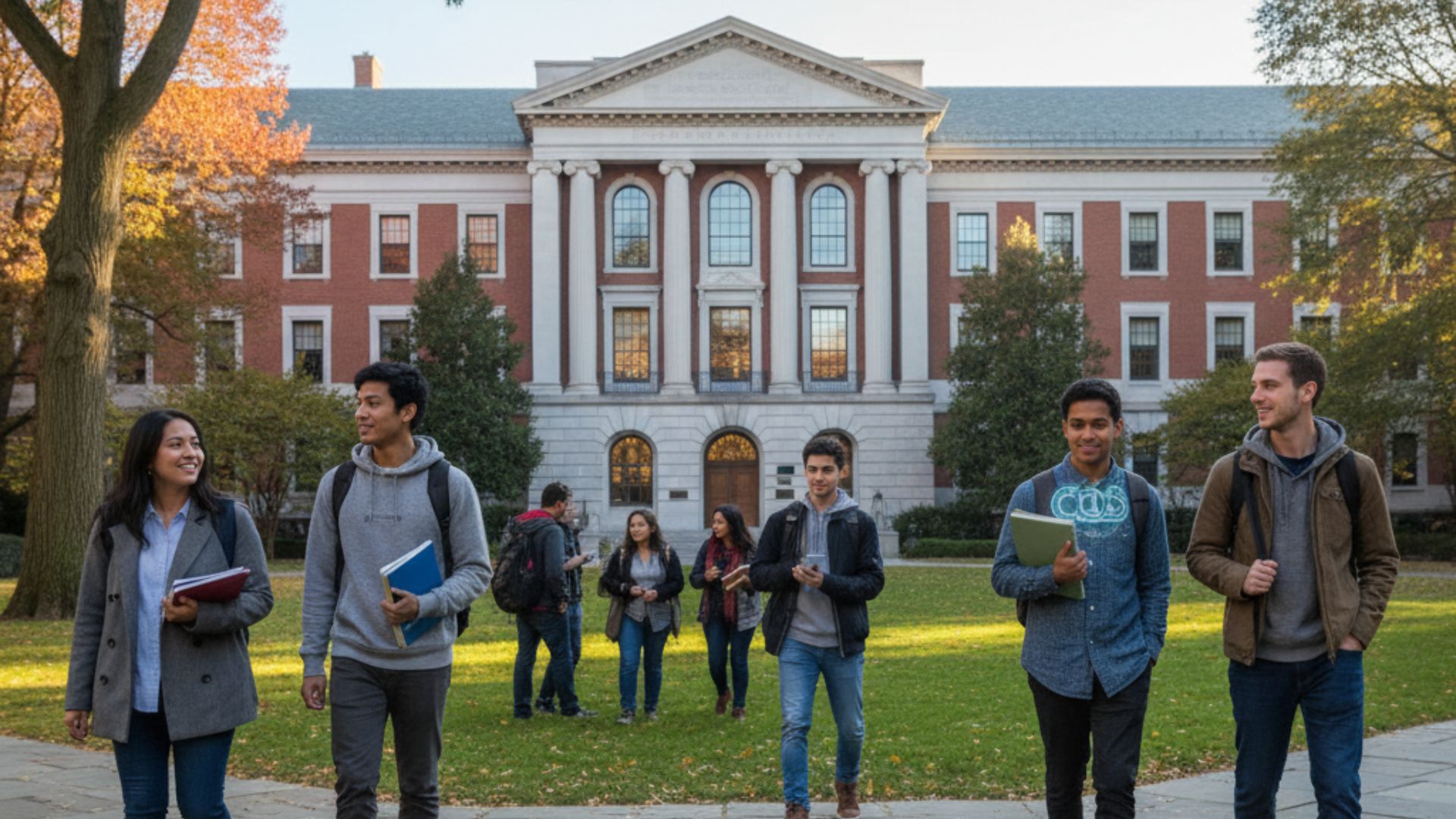
When Was Harvard Founded? Harvard University stands as one of the most renowned and respected academic institutions in the world. It symbolizes intellectual excellence, groundbreaking research, and centuries-long contributions to society. But long before it became a global center of learning, Harvard began as a small college built with the purpose of training a learned clergy and developing educated leadership for the growing New England colonies. This leads to a fundamental question often asked by students, researchers, and history enthusiasts: When was Harvard founded?
The answer is straightforward: Harvard University was founded in 1636. This date makes Harvard the oldest institution of higher education in the United States, predating the establishment of the country itself by more than 140 years. Its foundation laid the cornerstone for American higher education and continues to influence learning models used today.

In this comprehensive article, we will explore how and why Harvard was founded, its early years, development, historical milestones, societal contributions, and how the institution evolved from a small colonial college into one of the most prestigious universities in the world. This article offers a deep, detailed, and clear historical understanding suitable for academic reading, blogs, and educational reference.
When Was Harvard Founded? The Official Date: 1636
Harvard University was founded in the year 1636 by the Great and General Court of the Massachusetts Bay Colony. This makes Harvard older than:
- The U.S. Constitution
- The Declaration of Independence
- Many famous colonial landmarks
- Most universities worldwide
At its founding, Harvard was not known as “Harvard University.” It was originally referred to as the New College or simply “the College at New Towne.” The goal was to establish an institution to educate future clergy and provide training in classical subjects such as Latin, Greek, theology, and philosophy.
The name “Harvard” was adopted a few years later, in honor of the college’s first major benefactor, John Harvard, whose contributions became crucial to its survival.
Who Was John Harvard? The Namesake Behind the Institution
John Harvard was an English minister who migrated to the Massachusetts Bay Colony. He was not the founder of Harvard in the traditional sense, but his contributions left an undeniable mark on the institution.
When John Harvard passed away in 1638, he left:
- Half of his estate
- His entire personal library of roughly 400 books
This donation dramatically enhanced the college’s resources, provided educational materials, and allowed the institution to solidify its operations during its fragile early period. In honor of this generosity, the General Court named the college Harvard College.
Why Was Harvard Founded? Understanding the Original Purpose
To understand why Harvard was founded, we must look at the social and religious context of the Massachusetts Bay Colony.
1. Training Clergy
The colony’s Puritan leaders believed in the importance of educated ministers who could lead congregations with strong biblical understanding. Harvard’s earliest curriculum of theology, ancient languages, and ethics reflected this purpose.
2. Promoting Literacy and Moral Education
Puritans valued reading, partly because literacy was necessary to interpret religious texts. A college would ensure the survival of learned, morally upright leadership.
3. Building Intellectual Foundations in the New World
The colonists were determined to build a society based on learning, intellectual debate, and informed citizenship. Harvard represented an investment in future generations.
Thus, Harvard’s foundation was not an isolated act—it was part of a larger cultural goal to integrate education into the very identity of New England society.
Harvard in the 1600s: The Early Years of the Institution
After its founding, Harvard faced challenges including limited resources, a small student population, and a demanding curriculum. Yet it quickly grew due to dedicated leadership and support from the colony.
The Early Curriculum
The earliest academic program at Harvard resembled that of English universities, especially Cambridge. Students studied:
- Greek and Latin
- Hebrew
- Logic
- Rhetoric
- Ethics
- Theology
- Mathematics
- Classical literature
These subjects were essential for training ministers and civic leaders who could guide the colony.
Student Life
Life at early Harvard was demanding and highly structured. Students lived under strict rules regarding behavior, study habits, and religious practice. Daily routines consisted of:
- Early morning prayers
- Instruction in classical subjects
- Mandatory attendance at meals and services
- Strict oversight by tutors
Despite rigid guidelines, Harvard gradually developed into a thriving intellectual community.
Expansion and Evolution: Harvard Becomes a University
Over time, Harvard transformed from a small college into a multifaceted university with schools, departments, and research centers contributing to global knowledge.
Key Stages of Growth
1. Establishment of Professional Schools
Harvard added several new schools over the centuries, including:
- Harvard Medical School (1782)
- Harvard Law School (1817)
- Harvard Divinity School (1816)
- Harvard Business School (1908)
- Harvard Graduate School of Education (1920)
This expansion marked the transition from college to university.
2. Growth of the Faculty and Research Programs
Harvard developed strong academic departments in history, science, economics, literature, and social sciences, becoming a global research powerhouse.
3. Admission of Women
Harvard’s undergraduate education for women evolved through partnerships with Radcliffe College, eventually merging fully with Harvard University.
4. Expansion of the Campus
Harvard now spans several locations:
- Harvard Yard
- Harvard Square
- Cambridge campus areas
- Allston campus
- Graduate and professional school buildings
This growth reflects centuries of development since its founding in 1636.
Harvard’s Global Reputation: How It Became a World Leader
By the 20th and 21st centuries, Harvard became widely recognized as one of the world’s leading universities due to:
1. Academic Excellence
Harvard attracts top scholars from across the world. Its faculty includes Nobel laureates, Pulitzer Prize winners, and leading researchers.
2. Transformative Research
Harvard contributes to advancements in:
- Medicine
- Law and public policy
- Business and economics
- Technology and engineering
- Environmental science
- Humanities and social sciences
3. Leadership Development
Harvard has produced renowned graduates who have become:
- Presidents
- Prime ministers
- CEOs
- Scientists
- Authors
- Activists
- Innovators
4. Global Partnerships
Harvard collaborates with institutions globally, influencing education, policy, and innovation worldwide.
Important Links and Information
| Category | Information |
|---|---|
| Year Founded | 1636 |
| Original Name | New College |
| Current Official Name | Harvard University |
| Namesake | John Harvard |
| Founding Colony | Massachusetts Bay Colony |
| Purpose of Founding | Training clergy, promoting education |
| Oldest U.S. University | Yes |
| Campus Location | Cambridge, Massachusetts |
| Notable Early Contribution | John Harvard’s library and financial gift |
| Harvard University Website | https://www.harvard.edu |
FAQ about When Was Harvard Founded?
When was Harvard founded?
Harvard University was founded in 1636, making it the oldest institution of higher learning in the United States.
Why was Harvard founded?
Harvard was founded to train clergy and provide education for the Massachusetts Bay Colony, emphasizing literacy, theology, and classical knowledge.
Who is Harvard named after?
Harvard is named after John Harvard, a minister who donated half his estate and his personal library upon his death in 1638.
What was Harvard originally called?
Harvard was originally known as the New College or “the College at New Towne.”
Where is Harvard University located?
Harvard is located in Cambridge, Massachusetts, near Boston.
Is Harvard the oldest university in the United States?
Yes, Harvard is the oldest higher education institution in the U.S.
What did early students at Harvard study?
Early Harvard students focused on classical languages, divinity, philosophy, mathematics, and logic.
How did Harvard grow from a small college into a university?
Through the establishment of professional schools, expansion of research programs, increased enrollment, and the development of a global reputation.
Did Harvard always accept women?
Women were historically educated through Radcliffe College, which eventually merged fully with Harvard University.
Is Harvard still an influential university today?
Yes. It remains one of the world’s most influential centers for education, research, and leadership.
Conclusion
Harvard University’s founding in 1636 represents the beginning of American higher education. What started as a small Puritan college dedicated to training clergy has evolved into a global academic powerhouse with unmatched influence in education, research, and leadership. Its long history reflects not only the growth of the institution but also the development of intellectual life in the United States.
Understanding when and why Harvard was founded offers valuable insight into how education became central to American society. From its early days of classical instruction to its modern achievements in science, law, business, medicine, and global scholarship, Harvard continues to honor its mission to educate, inspire, and innovate.