
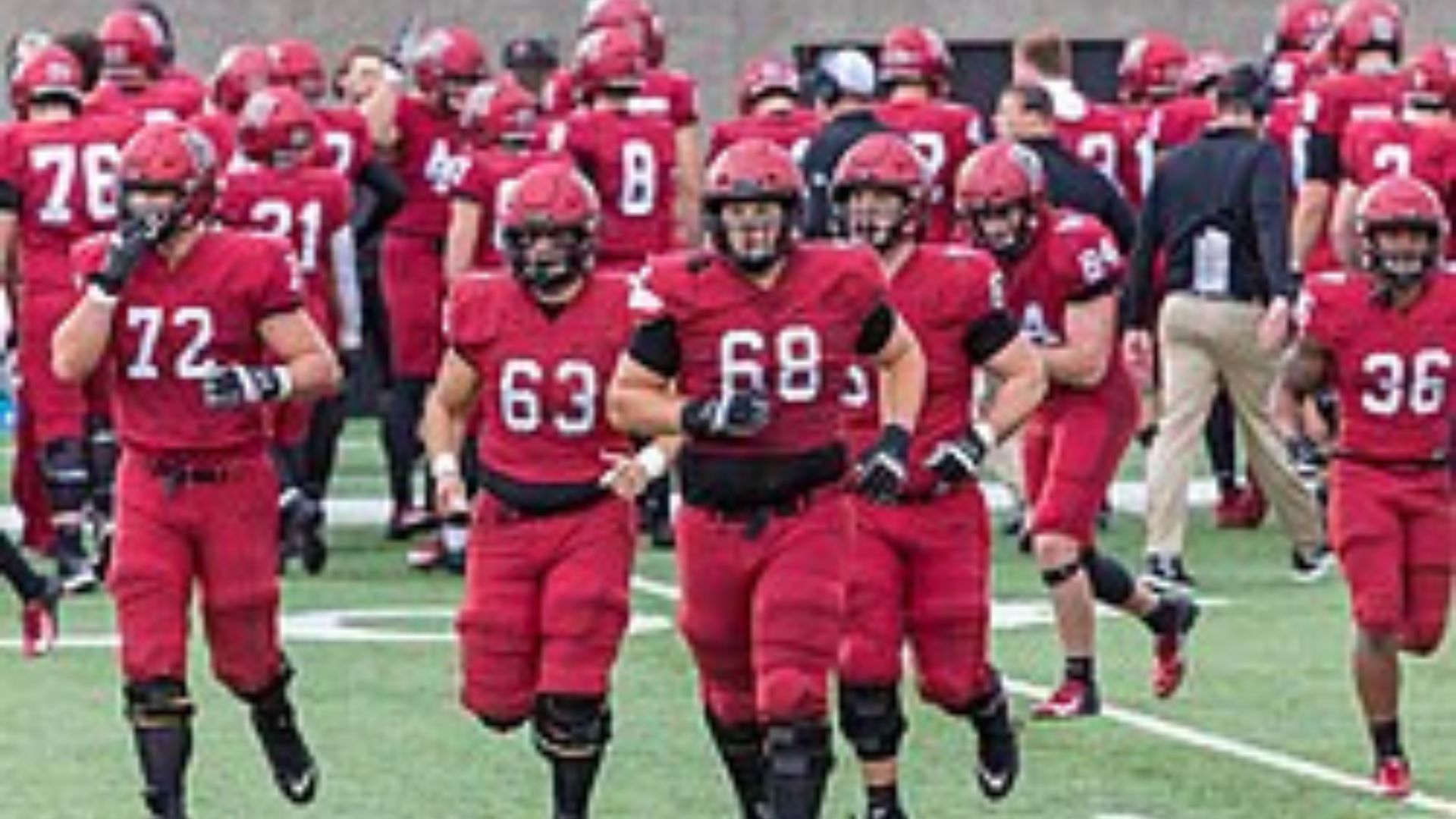
Does Harvard Have a Football Team? Among the world’s most prestigious universities, Harvard is known for its academic excellence, influential alumni, and historic contributions to higher education. But beyond classrooms and research institutions, Harvard also maintains a vibrant athletic culture. One of the most common questions asked by prospective students, sports enthusiasts, and curious readers is: Does Harvard have a football team?
The simple answer is yes, Harvard does have a football team. In fact, Harvard is home to one of the oldest and most historically significant college football programs in the United States. Its football legacy dates back to the 1800s, and the team continues to compete at the NCAA Division I level as part of the Ivy League.

This comprehensive article explores everything you need to know about Harvard’s football program: its history, achievements, culture, notable games, traditions, training environment, academic-athletic balance, and why the team is still one of the most respected in collegiate sports. The following sections will give a complete and detailed picture of Harvard football from past to present.
Does Harvard Have a Football Team? Yes — And It Has One of the Oldest Programs in College Football
Harvard University not only has a football team but also holds a distinguished place in the history of American football. The Harvard Crimson football team competes in the NCAA Division I Football Championship Subdivision (FCS) and is part of the Ivy League.
The team plays its home games at Harvard Stadium, which opened in 1903 and is recognized as the first permanent concrete stadium in the country. The stadium is considered a National Historic Landmark due to its architectural significance and its long-standing connection to early American football.
Harvard football is steeped in tradition, competitive spirit, and academic integrity, reflecting the broader values of the university.
A Deep Historical Overview of Harvard Football
Origins and Early Development
Harvard first began playing organized football in the late 1800s. Some of the earliest intercollegiate football matches involved Harvard, Princeton, and Yale, three schools that shaped the early rules and culture of the sport.
Harvard’s football program was influential in helping formalize the modern structure of American football, transitioning it closer to the sport recognized today. The university played a central role in establishing safer rules, standardized field sizes, and regulated gameplay—especially during a period when the sport was physically dangerous.
The Historic Rivalry: Harvard vs. Yale
One of the most defining features of Harvard football is its annual matchup with Yale University. Known simply as “The Game,” this rivalry is among the oldest and most celebrated in American sports.
The first Harvard–Yale game took place in 1875, and since then it has become a cultural and sporting event that attracts national attention. Beyond the final score, the game carries emotional weight, tradition, and institutional pride.
Whether Harvard wins or loses in a particular year, The Game remains one of the most iconic moments in each football season.
Harvard Football’s Competitive Level
Harvard competes in the Ivy League, which emphasizes:
- Academic excellence
- Amateur athletic participation
- Balanced student-athlete experience
While Ivy League teams do not offer athletic scholarships, athletes are highly supported in terms of financial aid, academic flexibility, and student life resources.
The football team regularly competes at a high level within the FCS and has earned multiple Ivy League championships.
Harvard Football Culture and Values
Academic Priorities First
One of the distinguishing characteristics of Harvard football is its academic orientation. Players are students first and athletes second. They must maintain academic performance and meet course requirements while managing rigorous practice schedules.
Harvard’s student-athlete support system includes:
- Advising
- Academic mentoring
- Study halls
- Faculty collaboration
- Time management resources
This ensures that players continue to excel academically while contributing to the football program.
Team Discipline and Coaching Philosophy
Harvard football emphasizes discipline, teamwork, sportsmanship, and mental preparedness. Coaches often highlight personal development and leadership as central elements of the program.
The program has a reputation for producing disciplined players who excel both on and off the field.
Recruitment and Player Development
While Harvard does not offer athletic scholarships, the football team recruits strong players based on:
- Academic performance
- Skill and athletic ability
- Character and leadership potential
Players join with a commitment to balance academic life and competitive athletics. Harvard’s football training facilities, coaching staff, and resources help players develop their physical strength, strategic awareness, and field performance.
Harvard Stadium and Training Facilities
Harvard Stadium is one of the most recognizable features of the university’s football culture. Built in 1903, it remains an architectural milestone and a centerpiece of college athletics.
Features of Harvard Stadium
- Horseshoe-shaped concrete structure
- Seating capacity for over 30,000 spectators
- National Historic Landmark status
- Located in the Allston campus area
- Hosts home games and training sessions
Beyond the stadium, Harvard’s athletic complex includes advanced training facilities, weight rooms, practice fields, rehabilitation services, and athlete study spaces.
The Role of Football in Harvard Student Life
Football is a major part of the fall semester experience at Harvard. Students, alumni, and families gather to support the team and participate in game-day traditions.
Student Participation
Students engage through:
- Attending games
- Cheering sections
- Pep rallies
- Broadcast production
- Marching band performances
The football season enhances campus spirit and offers a break from the academic routine.
Alumni Connection
Harvard alumni often attend football games, especially The Game, as a way to:
- Rekindle memories
- Connect with classmates
- Support current students
- Celebrate Harvard’s legacy
This intergenerational connection strengthens the university’s identity.
Football and Harvard’s Academic Mission
Despite being a competitive sport, football at Harvard aligns with the university’s educational mission. The program emphasizes:
- Leadership development
- Strategic thinking
- Responsibility
- Community engagement
- Time discipline
These qualities prepare student-athletes for future careers in a wide range of fields, including business, law, medicine, public service, and more.
Many former players pursue successful careers in sectors unrelated to athletics, using the skills they learned on the field.
Important Links and Information
Below is a table summarizing essential information related to Harvard football:
| Category | Information |
|---|---|
| Does Harvard Have a Football Team? | Yes |
| Team Name | Harvard Crimson Football |
| Competition Level | NCAA Division I FCS |
| Conference | Ivy League |
| Historic Rivalry | Harvard vs. Yale (“The Game”) |
| Home Stadium | Harvard Stadium |
| Stadium Opened | 1903 |
| Athletic Philosophy | Student-first, balanced academic-athletic model |
| Scholarships | No athletic scholarships (Ivy League rule) |
| Access Harvard Athletics | Visit Harvard’s football page |
| Harvard University Website | https://www.harvard.edu |
| Harvard Divinity School (for reference) | https://www.hds.harvard.edu/ |
FAQ about Does Harvard Have a Football Team?
Does Harvard have a football team?
Yes. Harvard has a long-established football team known as the Harvard Crimson, competing in NCAA Division I FCS.
What conference does Harvard football belong to?
Harvard competes in the Ivy League, alongside schools like Yale, Princeton, and Columbia.
Does Harvard offer athletic scholarships for football?
No. Ivy League institutions, including Harvard, do not offer athletic scholarships. However, they provide generous need-based financial aid.
Where does Harvard play its home games?
Harvard plays at Harvard Stadium, one of the oldest and most iconic stadiums in college athletics.
What is the biggest football rivalry for Harvard?
Harvard’s biggest rival is Yale. Their annual matchup is known as “The Game.”
Is Harvard football competitive?
Yes. Harvard is consistently competitive in the Ivy League and has won numerous championships.
How old is Harvard’s football program?
Harvard football dates back to the 19th century and is one of the earliest college football programs in the United States.
Are Harvard players required to maintain academic standards?
Absolutely. Maintaining strong academic performance is mandatory for participation.
Can international students join the football team?
Yes, as long as they meet academic standards and demonstrate athletic ability.
How can someone learn more about Harvard football?
The best source is Harvard’s official athletics website and the university’s main site.
Conclusion
Harvard University not only has a football team but also maintains one of the most historic and respected programs in the world of college athletics. Harvard football represents a balance between academic rigor and athletic excellence, providing students with opportunities to grow, compete, and contribute to a long-standing legacy.
From Harvard Stadium to The Game against Yale, the program is built on tradition, discipline, and intellectual strength. Harvard football is more than a sport—it is a cultural experience, a symbol of determination, and a key part of the university’s identity.
Whether you are a prospective student-athlete, a football fan, or someone researching Harvard’s athletic offerings, this guide provides a complete understanding of the football program and its role in the broader university environment.