
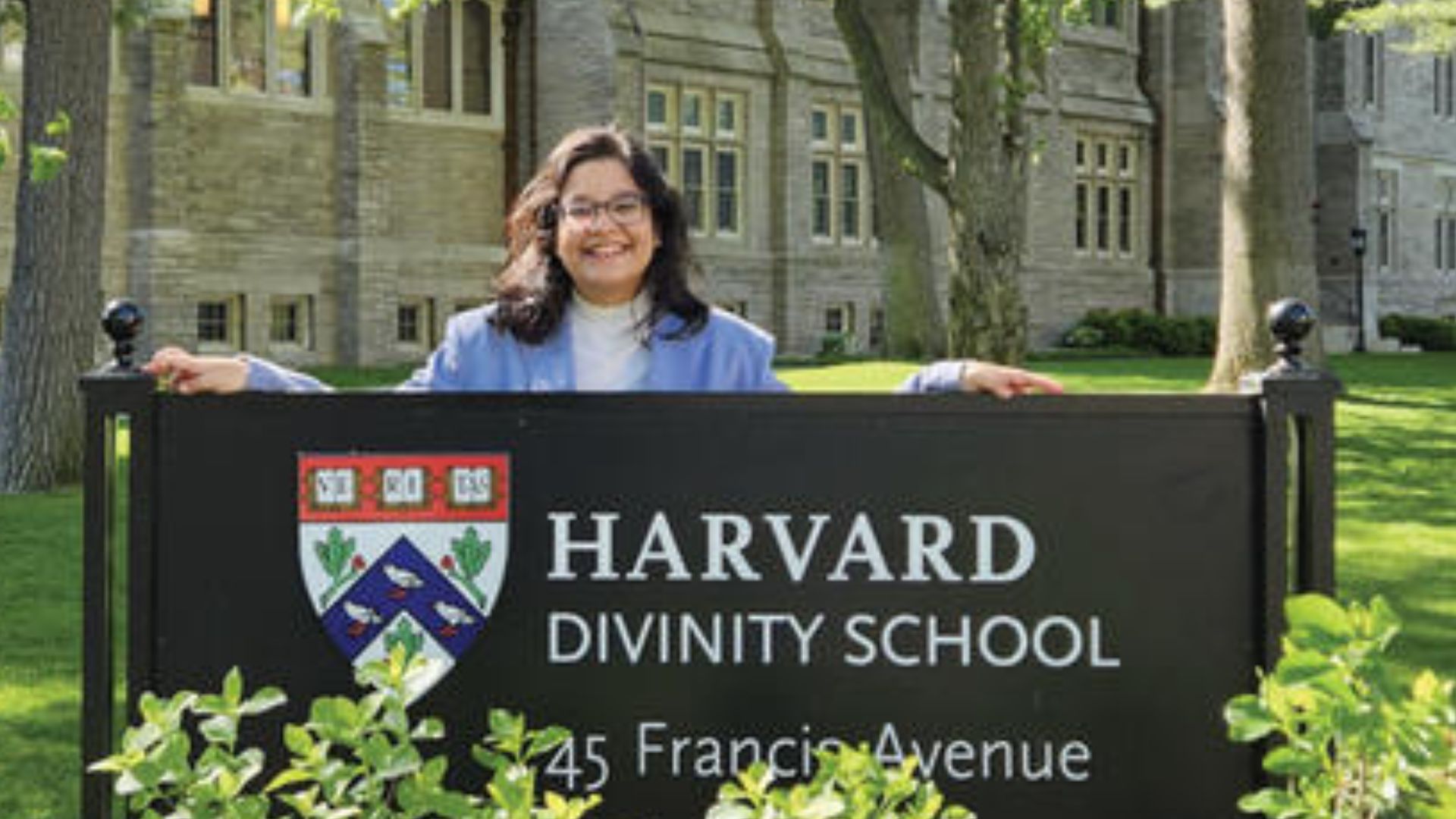
Harvard Divinity School (HDS) is one of the most storied and respected centers for theological education, religious studies, and interfaith scholarship in the world. With a rich legacy, distinguished faculty, and a commitment to both academic rigor and social relevance, HDS occupies a unique place in the landscape of graduate religious education.
In this article, we will explore its history, academics, campus life, notable programs, research opportunities, admission processes, and its broader role in shaping religious leaders, scholars, and public intellectuals.
History and Mission of Harvard Divinity School
Harvard Divinity School was founded in 1816, making it one of the oldest divinity schools in the United States. Its origins lie in the early 19th-century desire to train Christian clergy, especially in a rapidly changing New England. Over the centuries, HDS has steadily evolved from training principally for Christian ministry to a far broader mission: to study religion in all its manifestations—academic, spiritual, social, and global.
The mission of HDS is multifaceted. At its core, the school seeks to:
- Educate leaders for religious communities, non-profit organizations, and public service.
- Promote religious literacy by advancing rigorous scholarship in theology, ethics, history of religion, and lived religion.
- Encourage interreligious dialogue and comparative religious study.
- Engage with contemporary social issues—justice, human rights, environmental ethics, peace, conflict—and their religious dimensions.
- Prepare students for academic careers, public intellectual life, and service in a broadly defined civic sphere.
HDS thus serves as both an academic institution and a moral laboratory, where the spiritual and the intellectual meet.
Academic Programs at Harvard Divinity School
Harvard Divinity School offers a wide variety of degree programs to accommodate different career goals, scholarly interests, and forms of ministry or public engagement. Some of the principal academic programs include:
- Master of Divinity (M.Div.)
This is a professional degree geared toward those preparing for ministry, pastoral leadership, or chaplaincy. The M.Div. offers courses in biblical studies, theology, ethics, pastoral care, preaching, and contextual ministry. - Master of Theological Studies (M.T.S.)
A more academic and research-focused degree, the M.T.S. is ideal for students interested in deep study of religion but not necessarily pursuing ordination or pastoral work. It allows specialization in areas like religious history, philosophy of religion, or comparative religion. - Master of Religion and Public Life (M.R.P.L.)
This interdisciplinary degree integrates theological study with public policy, social justice, law, and civic engagement. Graduates are well-positioned to work in NGOs, NGOs with religious foundations, social advocacy, government, and public service. - Master of Theology (Th.M.)
For students who already hold a master’s degree in divinity or theology and wish to engage in higher-level scholarship, the Th.M. provides rigorous academic training and opportunities for research and teaching. - Doctor of Theology (Th.D.) / Doctor of Philosophy (Ph.D.)
These doctoral programs are geared toward students aiming for careers in academia, research, and scholarly publication. They involve specialized coursework, comprehensive examinations, and a dissertation. - Joint and Interdisciplinary Programs
HDS supports joint degree programs with other Harvard schools (e.g., Harvard Law School, Harvard Kennedy School), as well as interdisciplinary collaborations in fields like ethics, public health, religion and science, sustainable development, and religious leadership.
Faculty and Research Strengths
One of the greatest assets of Harvard Divinity School is its world-class faculty. Professors at HDS are experts in a wide range of fields: theology, ethics, religion and society, history of religions, philosophy of religion, comparative religion, and more. Many are published authors, public intellectuals, and active participants in interfaith and policy dialogues.
Key research strengths at HDS include:
- Religion and Public Life: Faculty analyze how religious traditions shape public policy, civic discourse, and social justice work.
- Ethics and Moral Theology: The school explores ethics in religious contexts—from classical theological ethics to modern social ethics.
- History of Religions: Scholars investigate religious traditions across time and geography, including global Christianity, Islam, Buddhism, Judaism, and indigenous religions.
- Religion, Science, and Culture: HDS fosters dialogue around theological responses to scientific developments, environmental ethics, and the intersection of religion and contemporary culture.
- Spiritual Practices and Lived Religion: The school emphasizes the study of actual religious practices, rituals, prayer, and lived spiritual life.
- Interreligious and Comparative Theology: Faculty engage in theological reflection across traditions, encouraging mutual learning and theological innovation.
In addition to faculty-led research, HDS maintains several research centers and initiatives, such as centers for interreligious dialogue, religion and conflict transformation, religion and ecology, and race and religion.
Campus and Community Life
HDS is located in Cambridge, Massachusetts, integrated into Harvard University’s wider academic and residential ecosystem. Students benefit from access to Harvard’s extensive libraries, cross-registration opportunities, and vibrant campus life.
Student Life
- Spiritual Life and Chaplaincy: HDS has a chaplaincy office that supports students of various religious traditions. Regular services, meditation hours, interfaith dialogues, and spiritual retreats are common.
- Student Organizations: There are numerous student-led groups focused on faith traditions (Christian, Muslim, Jewish, Buddhist, etc.), as well as groups dedicated to social justice, ethics, public service, and dialogue.
- Academic Events: Seminars, conferences, lectures, and workshops bring together students, faculty, and outside scholars. HDS often hosts public talks on pressing religious and ethical issues.
- Community Engagement: Many students engage in local service, social justice initiatives, and community partnerships in Boston and Cambridge.
- Residential Life: Students often live in Harvard housing, participate in the broader Harvard graduate community, and benefit from the richness of a globally diverse student body.
Admission and Financial Aid
Admissions Process
Applying to Harvard Divinity School typically involves the following steps:
- Application: Submit an online application through HDS’s admissions portal, including academic transcripts, letters of recommendation, a statement of purpose, and a resume or CV.
- Writing Samples: Depending on the program, applicants may need to submit writing samples (such as academic essays or theological reflection).
- Interview: Some programs may invite prospective students for interviews, either in person or by video.
- Standardized Tests: Test requirements can vary—applicants should refer to the specific program’s admissions guidelines (GRE/GMAT, if required).
- English Language Proficiency: For non-native English speakers, proof of English proficiency (TOEFL, IELTS) may be required.
Financial Aid
Harvard Divinity School is committed to making theological education accessible. Key features of its financial aid structure:
- Scholarships and Fellowships: HDS provides merit-based scholarships, fellowships, and grants for many of its degree programs.
- Need-Based Aid: Students with demonstrated financial need may receive additional funding.
- Work-Study and Assistantships: Graduate assistantships, teaching roles, research assistant positions, and work-study opportunities help students finance their education.
- Loan Options: As part of Harvard University, students have access to federal and private loan programs.
- Emergency Financial Support: For unforeseen financial hardship, there are emergency funds and support mechanisms.
Notable Programs and Initiatives
HDS is not just about traditional theology training; it is also deeply engaged in contemporary and future-focused programs. Some notable areas of initiative include:
- Interreligious Dialogue
HDS hosts frequent dialogue initiatives, bringing together leaders and scholars from different faith traditions to address global challenges, religious violence, ethical dilemmas, and interfaith cooperation. - Religion and Environmental Ethics
Many faculty and students study the theological foundations of environmental stewardship, climate justice, and ecological responsibility. HDS encourages religious responses to ecological crises and sustainability. - Religion and Public Policy
The M.R.P.L. program epitomizes HDS’s commitment to bridging theology and public life. Graduates from this program often work in NGOs, government institutions, advocacy organizations, or faith-based service. - Ethics, Race, and Justice
HDS has strong initiatives focused on race, justice, reconciliation, and the role of religion in addressing systemic inequality. Scholars and students explore how religious traditions shape—and are shaped by—racial identities and justice movements. - Digital Religion
Recognizing the increasing role of technology in religious life, HDS explores how digital media, social networks, and technology affect religious practices, spiritual formation, and community. - Spiritual Formation and Wellness
The school prioritizes the spiritual well-being of its students, offering programs in spiritual direction, retreats, mindfulness, and practices of care.
Alumni and Impact
Graduates of Harvard Divinity School have gone on to shape theology, academia, public policy, ministry, and social justice efforts worldwide. Some of the notable paths alumni pursue include:
- Pastoral leadership in churches, mosques, temples, and multi-faith communities
- Chaplaincy work in hospitals, universities, and the military
- Roles in non-profit organizations focused on social justice, human rights, and community development
- Academic careers in theology, history of religion, ethics, and interreligious studies
- Public intellectual and civic engagement roles, working at the intersection of religion and civic policy
The influence of HDS alumni is visible in religious scholarship, public service, and moral leadership. Their impact contributes not only to religious communities but also to global ethical and social conversations.
Challenges and Critiques
While Harvard Divinity School is widely respected, like any academic institution, it faces challenges and critiques:
- Relevance to Traditional Ministry
Some argue that academic theological training can diverge from the pastoral and spiritual needs of local religious communities. Balancing scholarly rigor with ministerial formation is an ongoing tension. - Cost of Education
Graduate education, particularly at a private institution like HDS, is expensive. Even with robust financial aid, student debt is a concern for many. - Interreligious Tensions
As an institution committed to interfaith dialogue, HDS must navigate complex theological and ethical differences. Ensuring equitable representation and theological depth can be difficult. - Declining Religious Affiliation
In a cultural context where religious affiliation is changing, divinity schools face questions about demand, purpose, and institutional sustainability. - Balancing Scholarship and Activism
Some students and faculty push for a more activist role—applying theological insights to social justice work. Others emphasize scholarly neutrality and academic distance. Navigating this balance can be challenging.
How to Learn More and Apply?
If you are interested in learning more or applying to Harvard Divinity School:
- Visit the official Harvard Divinity School website: Harvard Divinity School
- Review the detailed program descriptions, faculty biographies, and research centers.
- Explore admissions requirements and deadlines for different degree programs.
- Investigate financial aid options, including fellowships, scholarships, work opportunities, and loan resources.
- Attend virtual or in-person information sessions or open houses if available.
Important Information
Here is a quick-reference table containing the most useful information about Harvard Divinity School:
| Category | Key Details |
|---|---|
| Institution | Harvard Divinity School (HDS) |
| Location | Cambridge, Massachusetts, USA |
| Founding Year | 1816 |
| Mission | Religious scholarship, interfaith dialogue, leadership, theology, public life |
| Degree Programs | M.Div., M.T.S., M.R.P.L., Th.M., Ph.D./Th.D. |
| Key Areas of Study | Ethics, theology, religion & public life, history of religions, interreligious studies, environmental ethics |
| Campus Community | Chaplaincy, interfaith groups, student organizations, retreats, public lectures |
| Research Centers | Interfaith dialogue, religion & ecology, racial justice, religion & science |
| Admission Elements | Application, transcripts, writing sample, interviews, language proficiency |
| Financial Support | Scholarships, fellowships, work-study, teaching/research assistantships, loans |
| Alumni Careers | Ministry, non-profits, academia, public service, chaplaincy |
| Challenges | Cost, relevance, activism vs. scholarship, changing religious identity |
| Website | Harvard Divinity School |
FAQ about Harvard Divinity School
What is Harvard Divinity School?
Harvard Divinity School (HDS) is a graduate professional school of Harvard University focused on the study of religion, theology, ethics, and interfaith dialogue. It offers a variety of master’s and doctoral programs that prepare students for ministry, scholarship, public leadership, and civic engagement.
Where is HDS located?
HDS is in Cambridge, Massachusetts, and is part of the broader Harvard University campus.
What degrees does Harvard Divinity School offer?
HDS offers several degrees: Master of Divinity (M.Div.), Master of Theological Studies (M.T.S.), Master of Religion and Public Life (M.R.P.L.), Master of Theology (Th.M.), and doctoral programs (Th.D. / Ph.D.).
What kinds of careers do graduates pursue?
Graduates go on to work in religious ministry, chaplaincy, nonprofit organizations, academia, public policy, social justice activism, and interfaith work.
How can I apply to HDS?
Applicants typically need to submit an online application, academic transcripts, letters of recommendation, a statement of purpose, and sometimes writing samples. Certain programs may require interviews or test scores.
Is financial aid available?
Yes—HDS offers numerous scholarships, fellowships, teaching or research assistantships, and other forms of financial aid. There are also loan options for students who need them.
Does HDS support interfaith learning?
Absolutely. Interreligious dialogue and comparative religious study are among the core priorities of HDS, and many programs, research initiatives, and student groups focus on cooperation across faith traditions.
What research centers or initiatives are active at HDS?
Several major initiatives include religion and public life, religion and ecology, race and religion justice, religion and science, and spiritual formation programs.
Can students cross-register at other Harvard schools?
Yes. HDS students often take advantage of cross-registration opportunities at other Harvard schools, such as the Graduate School of Arts & Sciences, Kennedy School, Law School, and more.
How do I learn more or visit HDS?
Visit the official website at Harvard Divinity School to explore detailed program pages, faculty profiles, admission guidelines, and events.
Conclusion
Harvard Divinity School is a unique institution that bridges the intellectual, spiritual, and social worlds. With a legacy that dates back to 1816, HDS has grown from a traditional Christian seminary into a diverse, globally recognized hub of theological education, religious scholarship, and civic engagement.
Whether you are drawn to ministry, public service, academic research, or interfaith leadership, HDS offers rigorous programs, distinguished faculty, and a deeply engaged community. Its commitment to financial accessibility, ethical reflection, and interreligious collaboration makes it a powerful platform for shaping the future of religion and public life.
For anyone considering graduate study in divinity, theology, religion, or public ethics, Harvard Divinity School stands out as a place where faith, reason, and social commitment converge. To learn more or to begin your journey, explore their official website: Harvard Divinity School.