
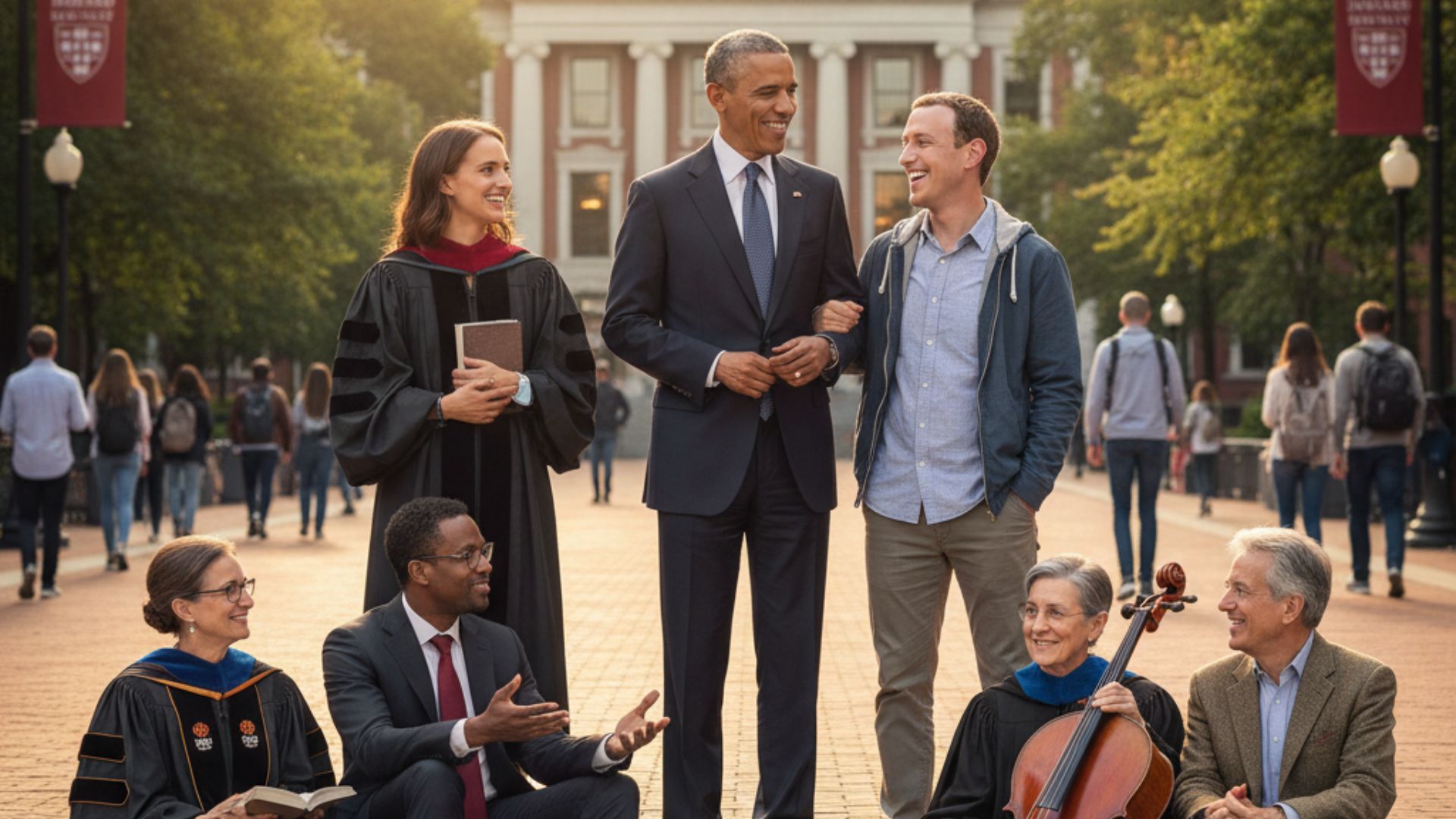
Notable Harvard Alumni: Harvard University, founded in 1636, is one of the oldest and most prestigious institutions of higher education in the United States. Over the course of nearly four centuries, it has produced alumni who have significantly shaped global politics, literature, science, economics, civil rights, technology, business, and the arts. From presidents to Nobel laureates, from authors to tech pioneers, Harvard alumni have left a lasting imprint on the world.
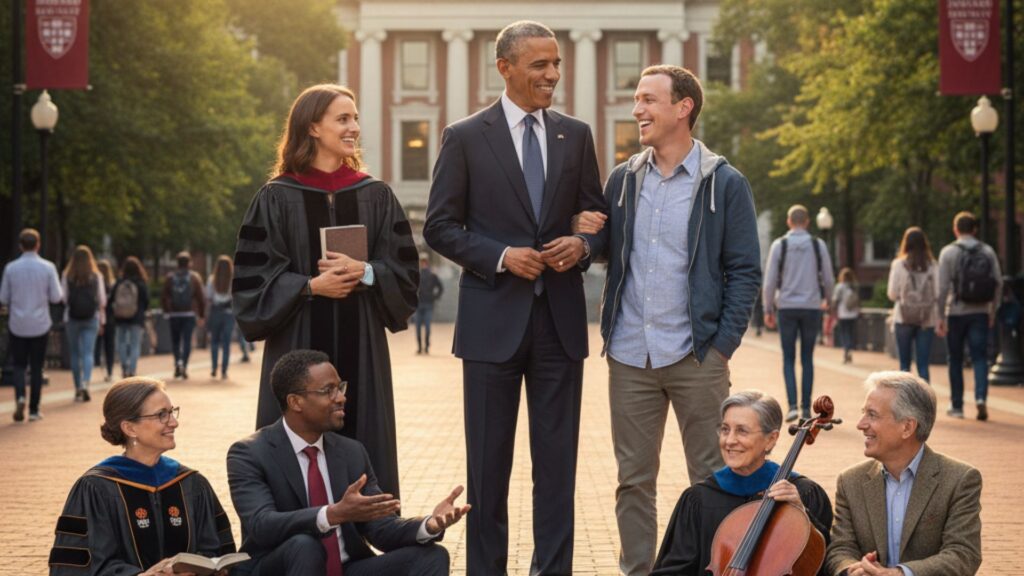
The term “notable Harvard alumni” does not simply refer to a handful of recognizable names but encompasses a vast group of individuals who have led movements, founded global companies, authored influential works, and transformed their respective fields. This article provides a detailed exploration of Harvard’s most influential alumni, their contributions, and the legacy they continue to build.
Important Links and Information
| Category | Description | Link |
|---|---|---|
| Harvard University Official Website | General information about academics, admissions, and history | https://www.harvard.edu/ |
| Harvard Alumni Association | Resources for alumni, events, and networking | https://alumni.harvard.edu/ |
| Harvard Gazette | University news, research updates, and features | https://news.harvard.edu/ |
| Harvard Libraries | Access to academic resources and archives | https://library.harvard.edu/ |
| Harvard Admissions | Undergraduate admissions information | https://college.harvard.edu/admissions |
Understanding Harvard’s Legacy Through Its Alumni
The success of Harvard alumni is not merely a product of academic excellence but of an environment that encourages critical thinking, research, leadership, and innovation. Harvard’s alumni network is both deep and diverse, covering virtually every discipline and sector.
Below, we explore Harvard’s most notable alumni by category, highlighting the significance of their achievements and the broader impact they have had on the world.
United States Presidents from Harvard
Harvard holds a remarkable place in American political history. Several U.S. presidents graduated from the university, reflecting the institution’s influence on national governance.
a. John Adams
The second President of the United States, John Adams, studied at Harvard College and was deeply influenced by classical studies and Enlightenment thinking. His leadership during the Revolution and his contributions to early American law remain foundational.
b. John Quincy Adams
Adams’s son, John Quincy Adams, the sixth U.S. president, also attended Harvard. Known for his diplomacy, he negotiated several critical treaties and later served in Congress, opposing slavery.
c. Theodore Roosevelt
Harvard graduate Theodore Roosevelt became the 26th President, leading Progressive Era reforms, breaking up monopolies, and establishing national parks. His energy, charisma, and approach to federal leadership left a lasting mark.
d. Franklin D. Roosevelt
FDR, the 32nd president, guided the nation through the Great Depression and World War II. His New Deal policies reshaped American economic and social systems.
e. John F. Kennedy
Perhaps one of Harvard’s most iconic graduates, JFK was the 35th president and a symbol of youth, energy, and global leadership. His speeches, civil rights advocacy, and handling of Cold War tensions remain influential.
f. Barack Obama
The 44th president, Barack Obama, studied at Harvard Law School, where he became the first Black president of the Harvard Law Review. His presidency marked significant social and political milestones, including healthcare reform and evolving racial dynamics in the U.S.
Nobel Prize Winners from Harvard
Harvard alumni include dozens of Nobel laureates, spanning disciplines such as economics, chemistry, physics, medicine, and peace.
Economics
Harvard has an especially strong showing in economic sciences. Alumni have developed economic theories and models that shaped global markets, policy design, and economic understanding.
Peace Prize Recipients
Some alumni have earned the Nobel Peace Prize for contributions to diplomacy, global health, and human rights. Their careers demonstrate Harvard’s role in promoting international cooperation and advocacy.
Scientific Laureates
Harvard-trained scientists have revolutionized modern science through discoveries in genetics, physics, chemistry, and medicine. Their achievements often serve as the basis of entire scientific fields.
Influential Authors and Literary Figures
Harvard has produced authors whose works are now foundational to American and global literature.
Ralph Waldo Emerson
A central figure in American transcendentalism, Emerson’s essays and lectures shaped modern thought about individualism, nature, and philosophy.
Henry David Thoreau
Though not an alumnus but a Harvard attendee, Thoreau’s writings, especially “Walden” and “Civil Disobedience,” influenced environmentalism and civil rights movements worldwide.
T. S. Eliot
The Nobel Prize-winning poet studied at Harvard and went on to become one of the most influential literary voices of the twentieth century.
John Updike
One of America’s most prolific novelists, Updike captured the complexities of suburban life and human relationships.
Business Leaders and Entrepreneurs
Many influential business leaders and founders of major companies graduated from Harvard.
Bill Gates
Although he dropped out, Bill Gates attended Harvard before founding Microsoft. His technological impact, philanthropy, and global initiatives have influenced nearly every sector.
Mark Zuckerberg
Zuckerberg famously started Facebook in his Harvard dorm room. The platform transformed social media, communication, and global connectivity.
Michael Bloomberg
A Harvard Business School graduate, Bloomberg founded Bloomberg L.P. and served as Mayor of New York City.
Sheryl Sandberg
Sandberg earned her MBA from Harvard Business School and became COO of Meta (formerly Facebook). Her advocacy for women in leadership influenced corporate culture and gender equality movements.
Scientists, Innovators, and Physicians
Harvard alumni have changed the trajectory of science and medicine.
Dr. Sidney Farber
Known as the father of modern chemotherapy, Farber’s work laid the foundation for modern cancer treatment.
Dr. Eric Lander
A leader in the Human Genome Project, Lander helped map human DNA, creating breakthroughs in medicine and genetics.
Neil deGrasse Tyson
Although he later pursued graduate studies elsewhere, Tyson completed his undergraduate degree at Harvard. He became one of the most recognizable science communicators of the modern era.
Scientists, Innovators, and Physicians
Harvard alumni have changed the trajectory of science and medicine.
Dr. Sidney Farber
Known as the father of modern chemotherapy, Farber’s work laid the foundation for modern cancer treatment.
Dr. Eric Lander
A leader in the Human Genome Project, Lander helped map human DNA, creating breakthroughs in medicine and genetics.
Neil deGrasse Tyson
Although he later pursued graduate studies elsewhere, Tyson completed his undergraduate degree at Harvard. He became one of the most recognizable science communicators of the modern era.
Civil Rights Leaders and Social Reformers
Harvard alumni have been deeply involved in the fight for civil and human rights.
W. E. B. Du Bois
One of Harvard’s most influential alumni, Du Bois was a pioneering civil rights activist, sociologist, and writer. He co-founded the NAACP and advocated for racial equality throughout his life.
Theodore Parker
A transcendentalist minister, Parker’s writings and speeches influenced abolitionist movements and later civil rights leaders such as Martin Luther King Jr.
Entertainment Leaders and Artistic Icons
Harvard has a long tradition of producing influential actors, musicians, directors, and entertainers.
Matt Damon and Ben Affleck
Both actors and screenwriters have achieved critical acclaim across film and television. Damon attended Harvard but left before graduating.
Conan O’Brien
The long-running late-night television host graduated from Harvard and served as President of The Harvard Lampoon.
Natalie Portman
Portman earned her degree in psychology at Harvard while maintaining an active film career, later winning an Academy Award.
Public Intellectuals and Philosophers
Harvard alumni often shape modern public intellectual discourse.
Steven Pinker
A cognitive psychologist and author, Pinker is known for his work on language, human nature, and the decline of violence.
Cornel West
A philosopher, political activist, and author, West is known for his powerful analysis of race, democracy, and modern society.
Global Leaders and International Figures
Beyond U.S. borders, Harvard alumni have served as presidents, prime ministers, diplomats, and global policymakers.
Some alumni have led nations in Europe, Asia, Africa, and Latin America, demonstrating Harvard’s broad global influence.
FAQ about Notable Harvard Alumni
What makes Harvard alumni so influential?
Harvard provides students with strong academic foundations, vast research opportunities, and access to powerful networks. Graduates gain skills in leadership, critical thinking, and collaboration that support success across industries.
Are all notable Harvard alumni degree holders?
Not necessarily. Some influential figures, including Bill Gates and Mark Zuckerberg, attended Harvard but did not complete their degrees. Their time at Harvard still shaped their early career paths.
How many U.S. Presidents attended Harvard?
Multiple presidents attended Harvard, including John Adams, John Quincy Adams, Theodore Roosevelt, Franklin D. Roosevelt, John F. Kennedy, and Barack Obama.
Why does Harvard produce so many Nobel Prize winners?
Harvard’s focus on research excellence, interdisciplinary collaboration, and academic rigor creates an environment where groundbreaking discoveries are frequent, leading many alumni to receive Nobel Prizes.
Are Harvard’s notable alumni only famous in the United States?
No. Harvard alumni include global leaders in politics, science, business, and literature, making their influence worldwide.
Does Harvard actively support its alumni?
Yes. Harvard’s Alumni Association provides networking, professional development, mentorship, and resources designed to support graduates throughout their careers.
Conclusion
Harvard University’s legacy extends far beyond its historic campus. The institution’s graduates have shaped the world in profound ways, influencing politics, science, literature, technology, and social movements. By examining the lives and contributions of notable Harvard alumni, one gains insight not only into individual achievements but also into Harvard’s long-standing impact on global progress.
From U.S. presidents and Nobel laureates to CEOs and civil rights leaders, Harvard alumni represent a diverse and powerful force driving innovation and change. Their stories reflect the values of intellectual curiosity, leadership, and service that Harvard has cultivated for centuries.
If you are exploring Harvard’s influence, studying educational history, or researching notable figures, understanding the alumni who shaped the world is essential. Their achievements continue to inspire new generations of students, scholars, and leaders.