
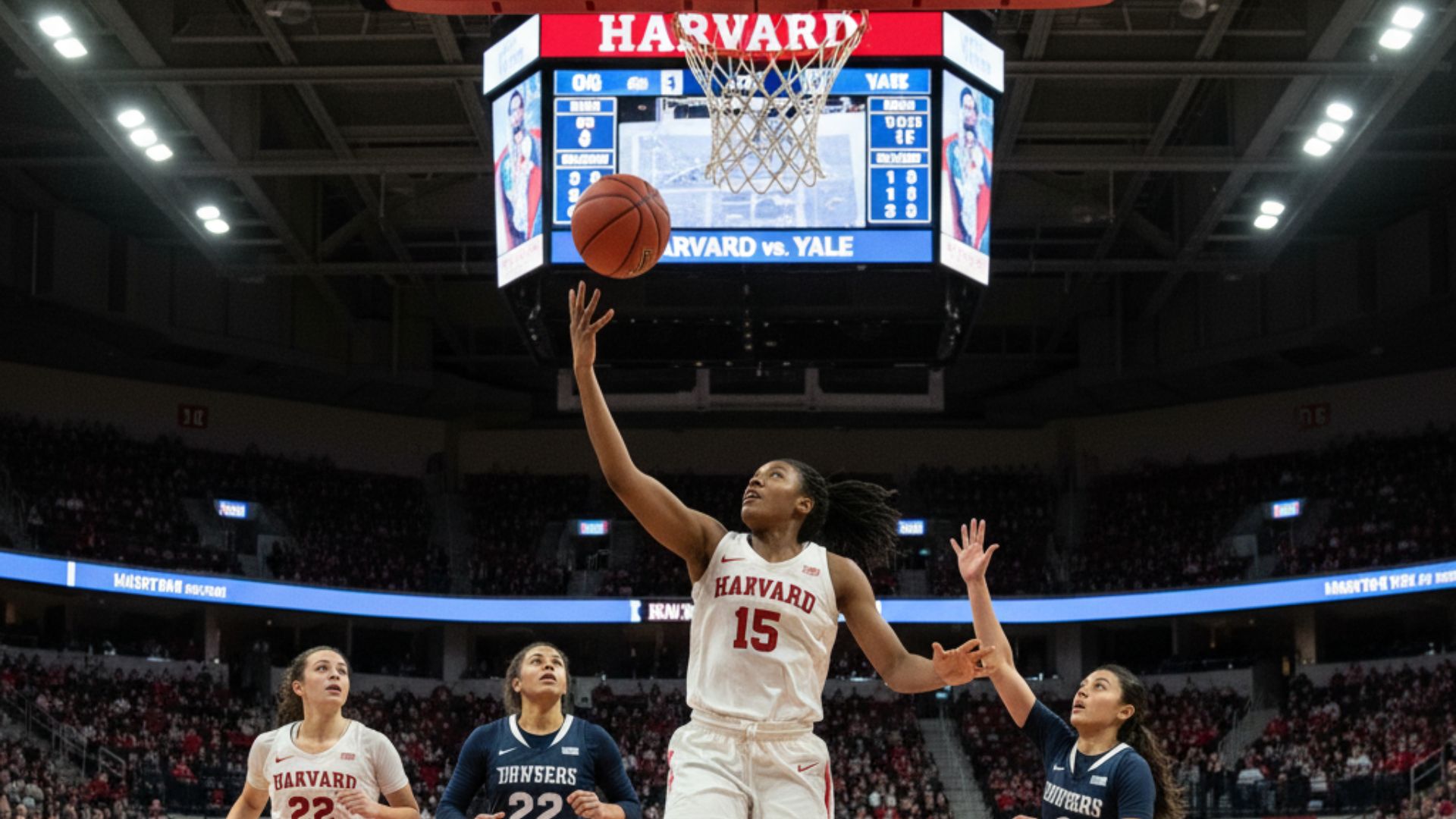
Harvard Women’s Basketball: Harvard University, known globally for its academic prestige, also boasts a remarkable athletic legacy. Among its many sports programs, Harvard Women’s Basketball stands out as a powerful symbol of perseverance, teamwork, and excellence. The team’s journey from modest beginnings to making NCAA history is both inspiring and impactful, reflecting Harvard’s broader commitment to the development of scholars and athletes alike.
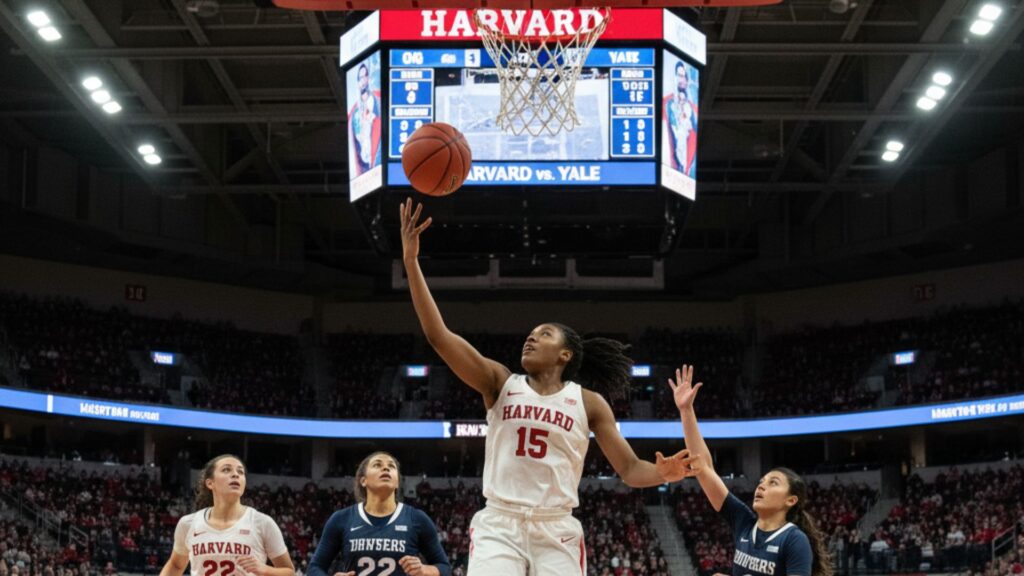
This comprehensive guide explores the story of Harvard Women’s Basketball — its history, achievements, leadership, player development, cultural influence, and its place within Ivy League sports.
The Origins of Harvard Women’s Basketball
Harvard University officially introduced women’s basketball as a varsity sport in 1974, shortly after the enactment of Title IX, a landmark federal law that mandated gender equity in education and athletics. The early years were challenging, marked by limited funding, minimal facilities, and societal perceptions that women’s sports lacked competitive appeal.
However, what Harvard lacked in resources, it made up for in determination. The players of the 1970s were pioneers — young women balancing rigorous academics with the drive to establish legitimacy for women’s basketball within the Ivy League.
By the late 1970s, Harvard had begun to emerge as a strong competitor in the Ivy League, with steady growth under the guidance of dedicated coaches and student-athletes who saw the court as an extension of the classroom.
The Rise to Prominence
The turning point for Harvard Women’s Basketball came in the 1980s and 1990s, with the appointment of Coach Kathy Delaney-Smith in 1982. A visionary leader and motivator, Delaney-Smith transformed the program into one of the most respected women’s basketball teams in the nation.
Under her leadership, Harvard won multiple Ivy League championships, making frequent appearances in postseason play. The team’s success wasn’t just in wins and titles — it was in attitude. Delaney-Smith instilled a sense of confidence and purpose that went beyond sports.
The crowning achievement came in 1998, when Harvard made NCAA history by becoming the first No. 16 seed ever to defeat a No. 1 seed — Stanford — in the Women’s NCAA Tournament. This stunning upset remains one of the most memorable moments in college basketball history, men’s or women’s.
The 1998 victory was more than just a win; it symbolized a triumph of hard work, equality, and belief — values deeply aligned with Harvard’s ethos.
Leadership and Coaching Philosophy
Coach Kathy Delaney-Smith’s tenure, which lasted nearly four decades, was characterized by consistency, empowerment, and excellence. Her coaching philosophy emphasized the development of character, discipline, and leadership as much as athletic skill.
She often described her approach as “teaching life through basketball.” For her players, that meant not only learning the strategies of the game but also cultivating resilience, teamwork, and emotional intelligence.
When Delaney-Smith retired in 2022, she left behind an enduring legacy — over 600 career wins, numerous Ivy League titles, and generations of women who thrived on and off the court.
Her successor continues this legacy, focusing on innovation, mental strength, and player wellness, while maintaining the program’s high academic and athletic standards.
Academic and Athletic Balance
Harvard Women’s Basketball represents the ideal balance between academics and athletics. Harvard University’s rigorous academic environment demands excellence, and the basketball program complements that expectation by cultivating discipline and time management.
Student-athletes at Harvard are not just basketball players; they are future leaders, researchers, entrepreneurs, and change-makers. The team’s culture prioritizes education, with an emphasis on maintaining strong GPAs, engaging in community service, and preparing for professional careers after graduation.
Harvard’s holistic approach ensures that players are successful both on the scoreboard and in life.
Team Dynamics and Culture
The Harvard Women’s Basketball team is known for its inclusive, team-first culture. The players form a close-knit community that emphasizes trust, communication, and accountability. Team bonding activities, community outreach, and alumni engagement play significant roles in building this supportive environment.
The culture also celebrates diversity. Players come from across the United States and around the world, bringing unique perspectives and experiences that enrich the team.
Moreover, the emphasis on leadership development ensures that every player — whether a starter or reserve — has a voice and contributes to the team’s success.
Training, Fitness, and Strategy
The program’s training philosophy integrates physical fitness, mental preparation, and strategic intelligence. Practices focus on developing speed, endurance, and adaptability, while video analysis and data-driven insights help players understand their strengths and areas for improvement.
Harvard’s training facilities, including the Ray Lavietes Pavilion, offer state-of-the-art equipment and resources. The coaching staff collaborates with nutritionists, strength coaches, and sports psychologists to create a comprehensive athlete development plan.
The strategic approach emphasizes defensive discipline, ball movement, and smart shot selection — hallmarks of Ivy League basketball that rely on precision rather than sheer athleticism.
Notable Players and Alumni
Over the decades, Harvard Women’s Basketball has produced a number of remarkable athletes who have gone on to succeed in various fields.
Some notable players include:
- Allison Feaster (Class of 1998): The star of the 1998 NCAA upset win over Stanford, Feaster went on to have a successful WNBA career and later took on leadership roles in sports management and player development.
- Brogan Berry (Class of 2012): A multi-time All-Ivy selection known for her playmaking and leadership on the court.
- Temi Fagbenle (Class of 2015): A standout player who later played professionally in the WNBA and represented Great Britain in international competitions.
These athletes, among many others, exemplify Harvard’s commitment to excellence beyond basketball — excelling in academics, careers, and community leadership.
Rivalries and Key Matchups
In Ivy League basketball, rivalries add an extra layer of excitement. For Harvard Women’s Basketball, the most notable rivalries are with Yale, Princeton, and Dartmouth.
- Harvard vs. Yale: Known as “The Game” in other sports, this rivalry extends to basketball, marked by intense competition and passionate fan support.
- Harvard vs. Princeton: Princeton has been one of the dominant forces in Ivy League women’s basketball, making their matchups against Harvard crucial for title races.
- Harvard vs. Dartmouth: This rivalry dates back decades and often features thrilling contests that reflect the spirit of Ivy League sportsmanship.
These games are more than athletic events; they are cultural traditions that bring together students, alumni, and the local community.
Community Engagement and Social Impact
Harvard Women’s Basketball players are active in community service and outreach programs, often engaging with local schools, mentoring young athletes, and supporting charitable causes.
The team also promotes gender equality and empowerment in sports through participation in panels, workshops, and mentorship initiatives. By setting positive examples both on and off the court, Harvard’s players embody the university’s mission of using education and leadership for societal betterment.
The Future of Harvard Women’s Basketball
As the landscape of college basketball continues to evolve with advancements in technology, analytics, and athlete support, Harvard Women’s Basketball is poised to build upon its rich tradition.
With strong recruiting pipelines, cutting-edge facilities, and a renewed commitment to innovation, the program continues to attract talented athletes who value both academics and athletics.
The future promises exciting seasons ahead, with new leaders stepping up to uphold and expand the program’s legacy.
Important Links and Information about Harvard Women’s Basketball
| Category | Details / Links |
|---|---|
| Official Website | https://gocrimson.com |
| Team Name | Harvard Crimson Women’s Basketball |
| Home Arena | Ray Lavietes Pavilion |
| Conference | Ivy League |
| Head Coach | Carrie Moore (as of recent seasons) |
| Established | 1974 |
| Historic Win | 1998 NCAA upset vs. Stanford |
| Notable Alumni | Allison Feaster, Temi Fagbenle, Brogan Berry |
| Academic Focus | Leadership, community engagement, academic excellence |
| Motto | “Excellence on the court and beyond.” |
FAQ
When was Harvard Women’s Basketball founded?
Harvard Women’s Basketball was officially established as a varsity sport in 1974, following the implementation of Title IX.
Who is the most famous player in Harvard Women’s Basketball history?
Allison Feaster is widely recognized as the most prominent player in the program’s history, known for leading Harvard to its historic NCAA Tournament upset in 1998.
What was significant about Harvard’s 1998 NCAA win?
Harvard became the first No. 16 seed ever to defeat a No. 1 seed in either men’s or women’s NCAA Tournament history by defeating Stanford.
What conference does Harvard Women’s Basketball play in?
The team competes in the Ivy League, one of the oldest and most academically prestigious athletic conferences in the United States.
Where does the team play its home games?
Home games are played at Ray Lavietes Pavilion, a modern facility located in Cambridge, Massachusetts.
What makes Harvard’s basketball program unique?
The program is distinctive for balancing academic rigor with athletic excellence, emphasizing personal growth, teamwork, and leadership development.
Who currently coaches Harvard Women’s Basketball?
Carrie Moore is the current head coach, continuing the tradition of success and empowerment established by her predecessor, Kathy Delaney-Smith.
Conclusion
Harvard Women’s Basketball stands as a shining example of what dedication, vision, and equality in sports can achieve. From its humble beginnings in the 1970s to its record-breaking moments in the NCAA and its ongoing contributions to women’s sports leadership, the team embodies the true spirit of Harvard — excellence in all pursuits.
Through teamwork, resilience, and a commitment to both education and athletic performance, Harvard Women’s Basketball continues to inspire generations of athletes and fans alike. Its legacy reminds us that success is not defined solely by victories on the scoreboard, but by the impact one makes in shaping the future of sports, education, and society.